


Mobility Disability
Rollator with seat
Wheeled walker with hand brakes and a built-in seat, supporting balance, walking, and rest for users with fatigue or limited endurance.
- Hardware
- Limited mobility

AccessLife
Explore assistive devices and apps by disability and need. Use the filters to find tools that can support daily life, learning, communication and independence.
Developed by the AccessLife Team and the UNESCWA Disability Rights Team. We extend our gratitude to our core partner AGFUND.
Explore the Assistive Devices Dashboard (opens in a new tab)Mobility Disability
Wheeled walker with hand brakes and a built-in seat, supporting balance, walking, and rest for users with fatigue or limited endurance.
Mobility Disability
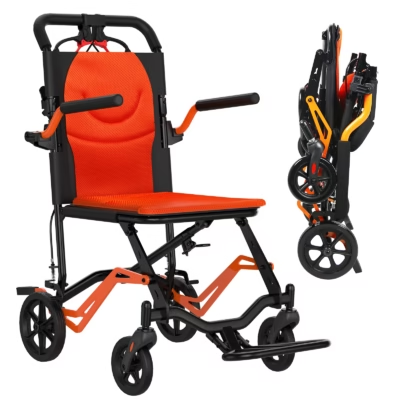
A lightweight wheelchair designed to be pushed by a caregiver, not self-propelled. It is useful for short trips, travel, and situations where the user cannot walk…
Mobility Disability
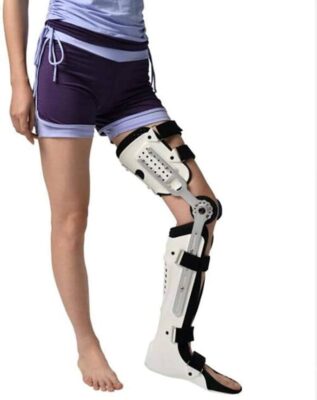
Supportive braces that stabilize joints and improve movement.
Mobility Disability
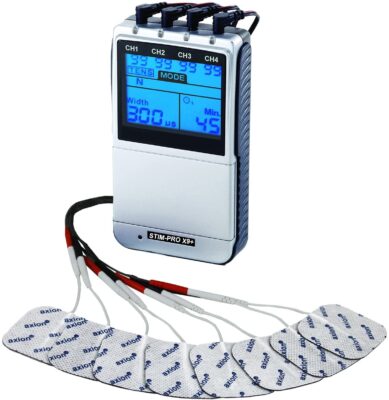
Electrical stimulation devices that activate nerves or muscles to improve movement, often used in stroke recovery or neurological conditions.
Mobility Disability
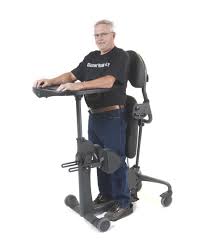
Standing support equipment that helps users stand safely, improving posture, weight-bearing, circulation, bone health, and digestion.
Mobility Disability
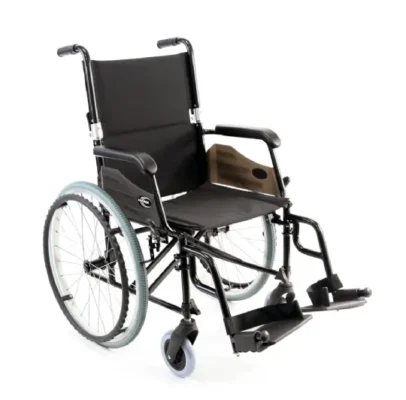
Manual wheelchairs that can be self-propelled or pushed, with lightweight models improving maneuverability, transport, and mobility support.
Mobility Disability
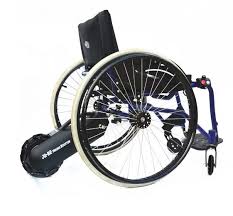
Manual wheelchairs fitted with a motor or power-assist wheels that help reduce effort while pushing. They support individuals who can self-propel but have weakness, fatigue, or…

Mobility Disability
Orthotic supports worn on the hand or wrist to improve alignment, reduce pain, prevent contractures, or support weak muscles. Often used in arthritis, carpal tunnel, stroke,…
Mobility Disability
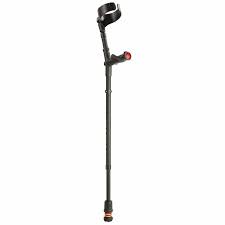
Modified crutches designed to improve comfort and function (e.g., ergonomic grips, shock absorption, platform supports). They help users who need extra stability or long-term crutch use.
Mobility Disability
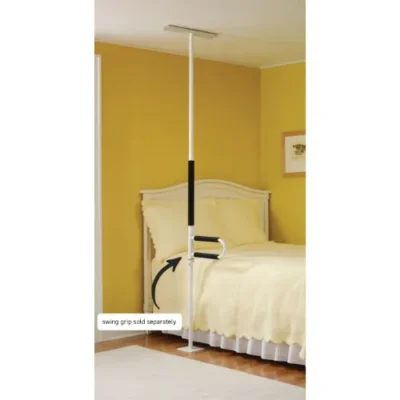
Floor-to-ceiling poles installed in key areas (e.g., bedroom, bathroom) to help individuals stand, balance, and transfer safely between surfaces such as bed, chair, or toilet.
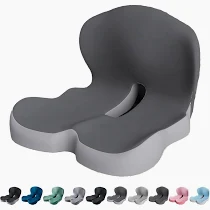
Mobility Disability
Special cushions designed to improve comfort, posture, and pressure distribution while sitting. They help prevent pressure sores and support pelvic and trunk alignment, especially for wheelchair…

Mobility Disability
Supportive walking frames (often with harnesses and trunk support) that help people practice walking safely. Used for children or adults with significant mobility impairment (e.g., cerebral…
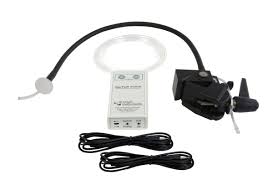
Mobility Disability
A control system that allows users to operate a wheelchair or computer using breathing actions (sip or puff) through a tube. Designed for users with minimal…
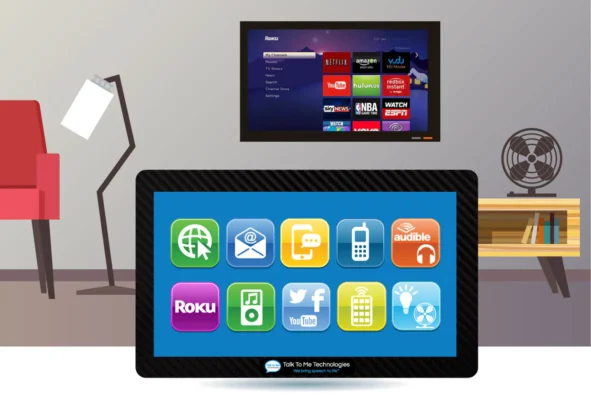
Mobility Disability
Systems that allow users to control home equipment (lights, TV, doors, thermostat) using switches, voice control, AAC devices, or apps.
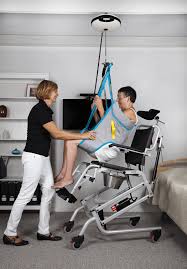
Mobility Disability
Mechanical lifting devices that help transfer a person safely from bed to wheelchair or toilet. They reduce caregiver strain and prevent falls.
Mobility Disability
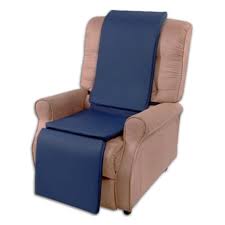
Support surfaces designed to reduce pressure points and prevent pressure ulcers. Used for people who sit or lie down for long periods.
Mobility Disability
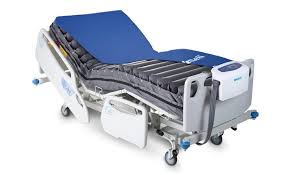
Beds designed for medical support, positioning, and pressure relief. They may adjust height and angle to improve comfort and reduce skin breakdown.
Mobility Disability
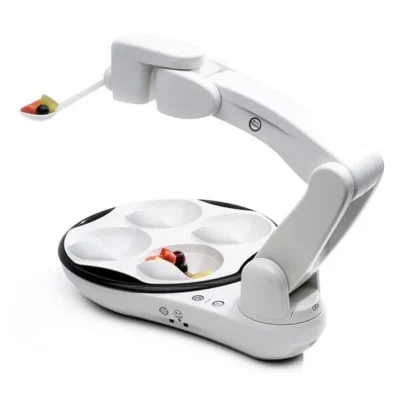
Devices that assist people with limited arm/hand movement to eat independently. They can scoop food and bring it to the mouth with controlled movement.
Mobility Disability
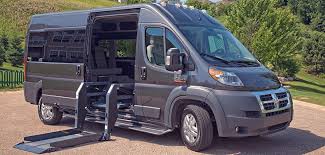
Equipment that improves accessibility to buildings and vehicles.
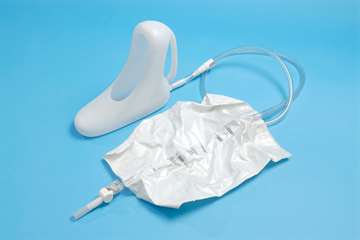
Mobility Disability
Products designed to assist with bladder management and hygiene (e.g., catheter holders, positioning tools, raised toilet seats). Improve safety, comfort, and dignity.

Mobility Disability
Software that allows users to control a device and communicate by eye movement, selecting letters or symbols on a screen.
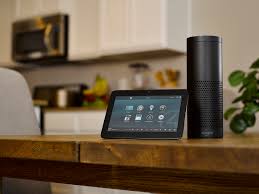
Mobility Disability
Technology that lets users operate computers and smart home devices using voice commands, improving independence and reducing physical effort.
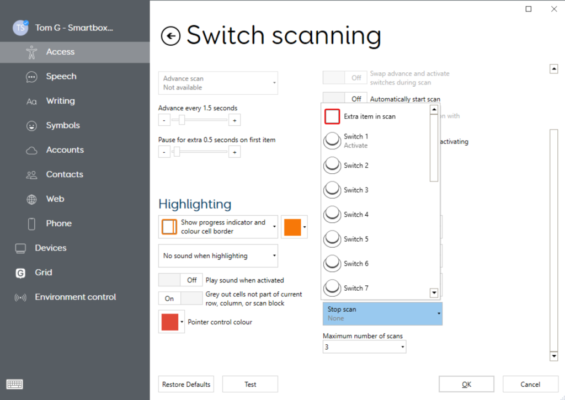
Mobility Disability
Software that highlights options one at a time (or in groups) so users can select using a switch. Often used with AAC and computer access.
Mobility Disability
Apps that allow caregivers to monitor safety and daily activity remotely (e.g., medication compliance, location, alerts), supporting independent living.