

Mobility Disability
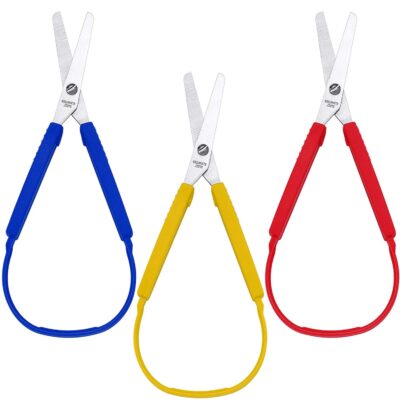
Adaptive scissors
Modified scissors that require less effort or automatically reopen after cutting. Helpful for weak grip, limited coordination, or one-handed use.
- Hardware
- Fine motor impairments

AccessLife
Explore assistive devices and apps by disability and need. Use the filters to find tools that can support daily life, learning, communication and independence.
Developed by the AccessLife Team and the UNESCWA Disability Rights Team. We extend our gratitude to our core partner AGFUND.
Explore the Assistive Devices Dashboard (opens in a new tab)Mobility Disability
Modified scissors that require less effort or automatically reopen after cutting. Helpful for weak grip, limited coordination, or one-handed use.
Mobility Disability
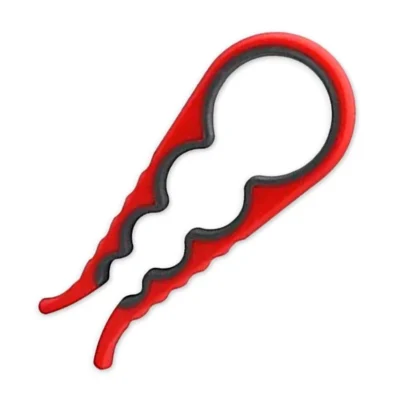
Tools that provide better leverage and grip to open jars, bottles, and containers. Useful for arthritis, weakness, or limited hand strength.
Mobility Disability
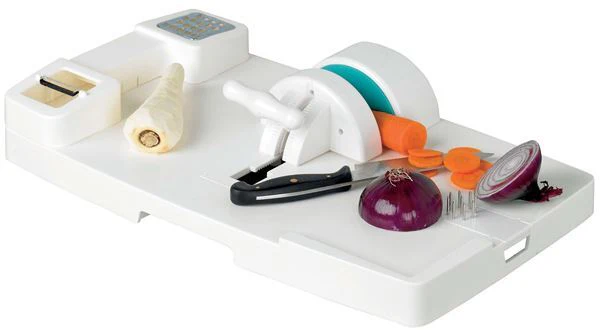
Cutting boards designed with stabilizing features (spikes, clamps, raised edges) to hold food in place for safe cutting with one hand.
Mobility Disability
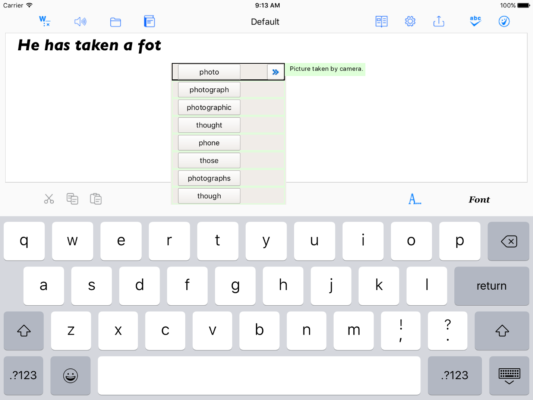
Software that predicts words as the user types, reducing keystrokes and speeding writing. Useful for motor impairments, fatigue, spelling difficulty, or dyslexia.

Mobility Disability
Settings that ignore unintended taps or swipes and reduce touch errors. Helpful for tremor, unsteady hand control, or motor impairments.

Mobility Disability
Apps that convert handwritten notes into digital typed text using handwriting recognition. Helpful for people who write easier than they type, or who want searchable notes.
Mobility Disability
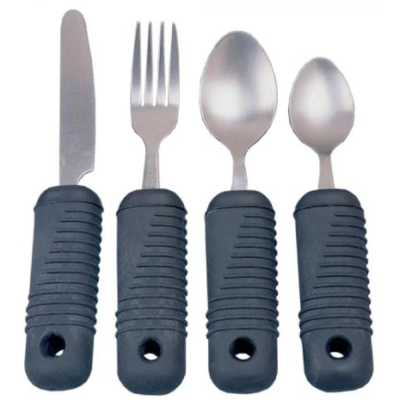
Utensils with extra weight to improve stability and reduce tremor while eating. Often used for Parkinson’s disease or essential tremor.
Mobility Disability
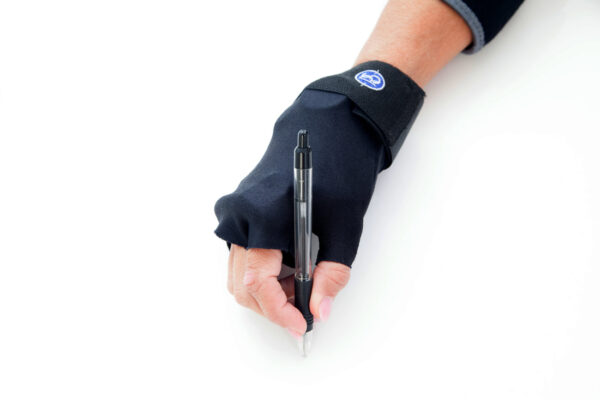
Wearable supports that reduce tremor impact by stabilizing the wrist/hand or applying compression. Used for essential tremor, Parkinson’s disease, or motor instability.
Mobility Disability
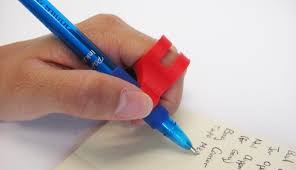
Tools designed to reduce shaky hand movement during writing (e.g., weighted pen systems, stabilization supports). Improve handwriting clarity for users with tremor.

Mobility Disability
Grip mats placed under plates, cups, or objects to prevent slipping during eating or daily tasks. Supports safer, more independent use.

Mobility Disability
Cups and containers designed to prevent spills, often with lids, spouts, or controlled-flow designs. Helpful for tremor, weak grip, or swallowing difficulties.

Mobility Disability
Technology that allows users to perform tasks like calling, texting, or controlling lights and appliances using voice, reducing physical effort.
Mobility Disability
Built-in or app-based settings that stabilize pointer or touch input by smoothing shaky movement, making devices easier to use for people with tremor.
Mobility Disability
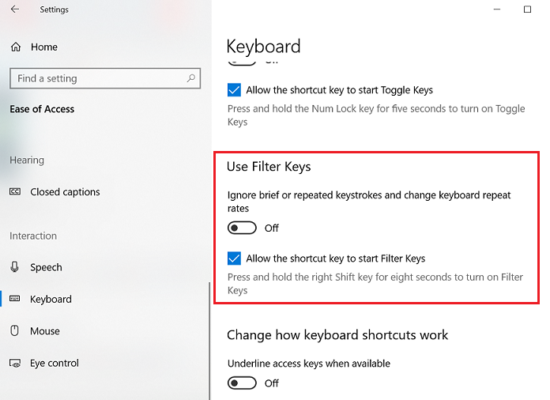
Software that reduces accidental repeated or unintended keystrokes (e.g., from tremor). It can adjust sensitivity and ignore rapid key presses.
Mobility Disability
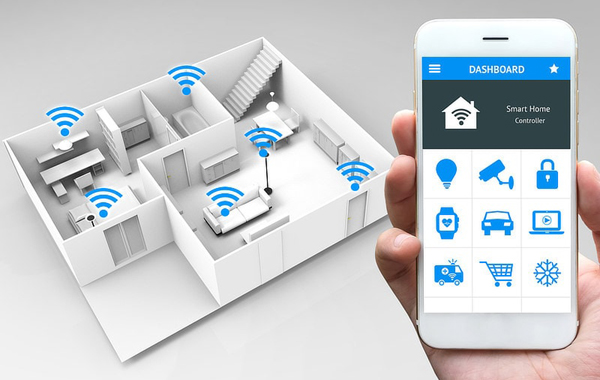
Apps that control smart home devices (lights, thermostat, doors, security) through phone controls or voice assistants. Improves independence and safety for people with mobility or cognitive…
Mobility Disability
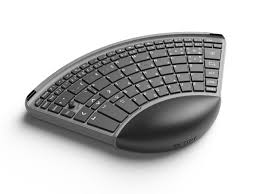
Keyboards designed for typing with one hand, with keys arranged for easier reach and efficient input. Useful for stroke, amputation, or one-arm weakness.
Mobility Disability
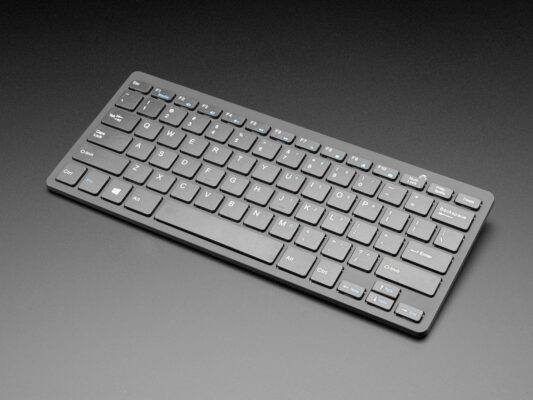
Smaller-than-standard keyboards designed to reduce hand and arm movement. They help users with limited reach, strength, or motor control type more comfortably and accurately.
Mobility Disability
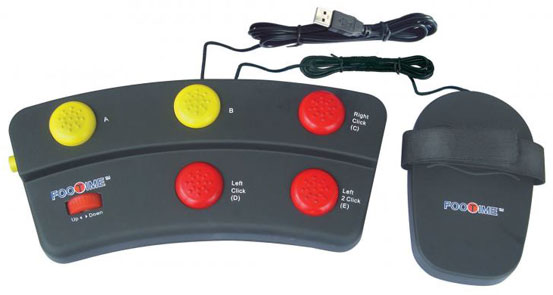
Cursor control devices operated with the feet. Designed for individuals who cannot use their hands effectively, supporting computer access through foot movements.
Mobility Disability
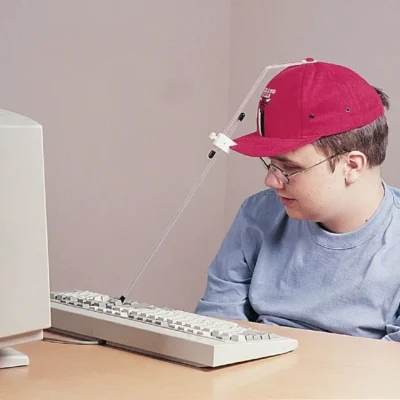
Devices that track head movement to control a cursor or select items on a screen. Helpful for users with limited or no hand use but good…
Mobility Disability
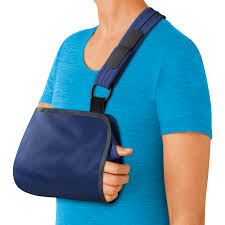
Mechanical or wearable supports that reduce the effort required to lift or move the arms. They help people with muscle weakness perform tasks like eating, typing,…
Mobility Disability
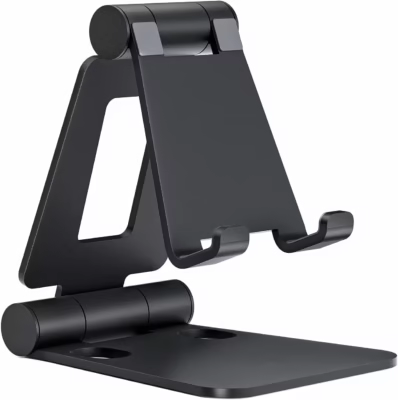
Phone or tablet mounts that hold devices in fixed positions on tables, wheelchairs, beds, or stands for easier access.
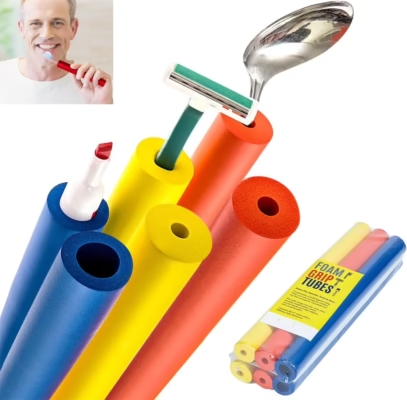
Mobility Disability
Modified handles or attachments that make tools, pens, or cutlery easier to hold. Useful for people with weak grip strength, tremors, or limited hand coordination.
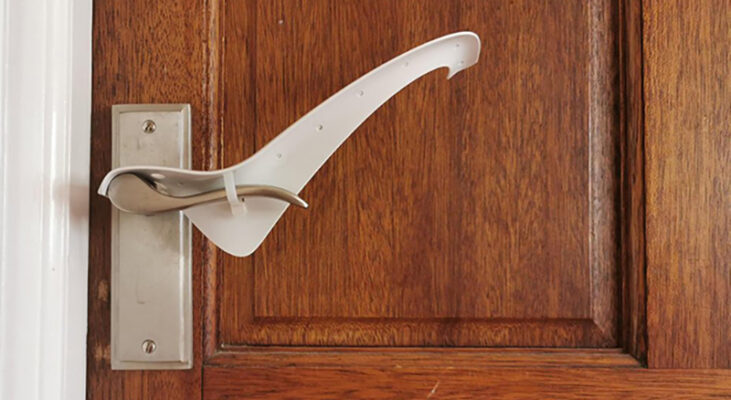
Mobility Disability
Door handles that operate by pushing down rather than twisting. They improve accessibility for people with limited hand strength or dexterity.
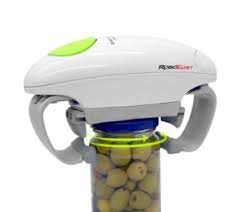
Mobility Disability
Electric or battery-powered devices that open jars with minimal effort. Helpful for individuals with arthritis, weak grip, or one-handed use.