

Psychosocial Disabilities
Smart alarms
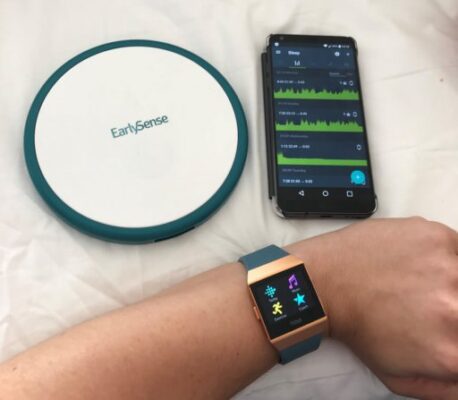
Smart alarms that track sleep cycles and wake users during lighter sleep stages to support easier waking.
- Hardware
- Mood disorders

AccessLife
Explore assistive devices and apps by disability and need. Use the filters to find tools that can support daily life, learning, communication and independence.
Developed by the AccessLife Team and the UNESCWA Disability Rights Team. We extend our gratitude to our core partner AGFUND.
Explore the Assistive Devices Dashboard (opens in a new tab)Psychosocial Disabilities
Smart alarms that track sleep cycles and wake users during lighter sleep stages to support easier waking.

Psychosocial Disabilities
Supportive seating designed to improve comfort, reduce fatigue, and support sensory regulation.
Psychosocial Disabilities
Apps that help users record emotions, triggers, and patterns over time to improve insight and support treatment planning.

Psychosocial Disabilities
Apps that send scheduled alerts to help users remember medications, often with dose tracking and refill reminders.

Psychosocial Disabilities
Online services that connect users with therapists via video, phone, or chat, making therapy more accessible.

Psychosocial Disabilities
Simplified planners with minimal visual clutter, clear structure, and reminders to support users with executive function challenges, ADHD, depression, or cognitive fatigue.
Psychosocial Disabilities
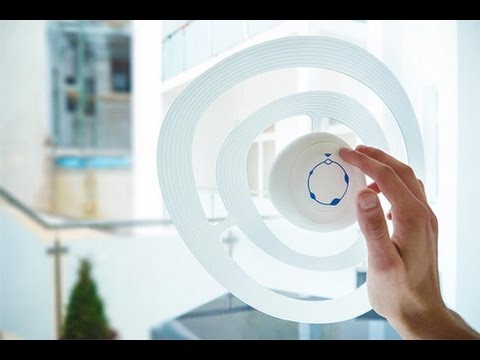
Devices like ear defenders, active noise-cancelling headphones, or sound-dampening systems that reduce sensory overload and support calmness and focus.
Psychosocial Disabilities
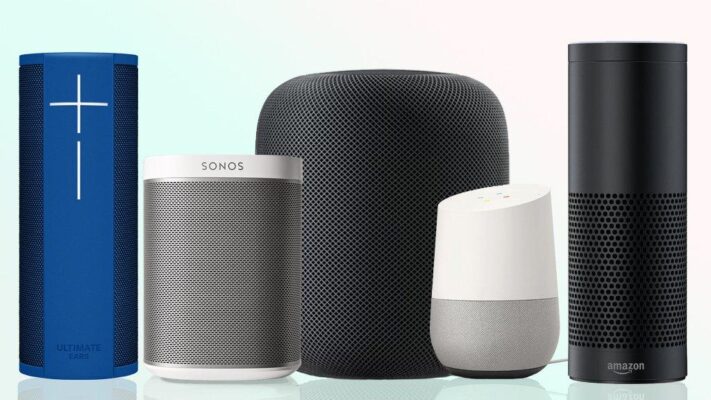
Voice-controlled assistants (e.g., for reminders, routines, calming music, emergency calls). Helpful for accessibility, executive function support, and daily prompts.
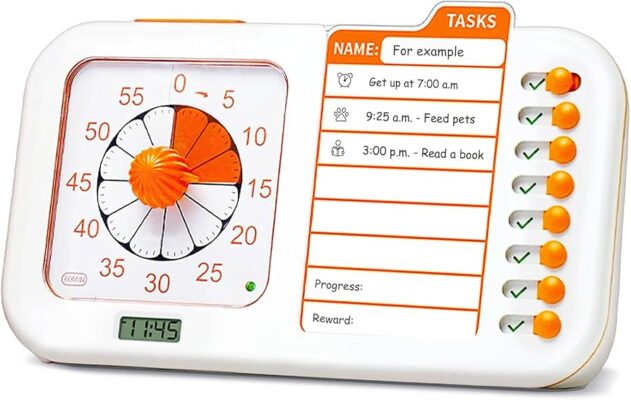
Psychosocial Disabilities
Tools that display time and routines visually (e.g., countdown timers, daily schedules), improving planning, transitions, and independence—especially helpful for ADHD, autism, or anxiety.

Psychosocial Disabilities
Apps that track symptoms (e.g., anxiety intensity, hallucination frequency, medication effects) and provide summaries that can help with clinician follow-ups.
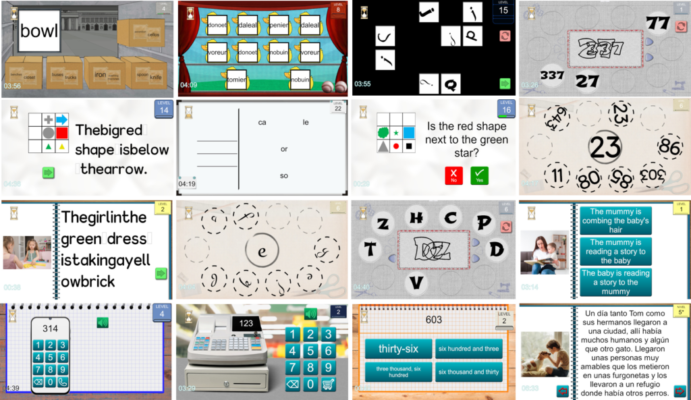
Psychosocial Disabilities
Programs designed to strengthen cognitive skills like attention, memory, processing speed, and problem-solving.
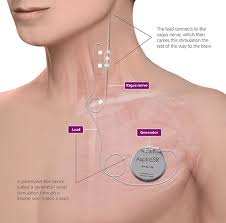
Psychosocial Disabilities
Tools that support relaxation by activating the parasympathetic nervous system through gentle stimulation or breathing-based feedback.
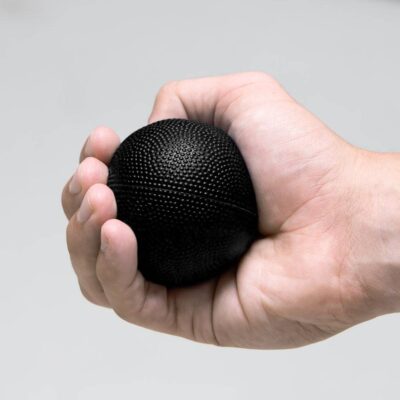
Psychosocial Disabilities
Small, safe objects used to provide sensory input through touch (e.g., textured stones, stress balls, sensory rings). They help reduce anxiety and support grounding during stress…
Psychosocial Disabilities
Apps designed for PTSD support, offering tools such as symptom tracking, coping exercises, guided relaxation, education, and therapy-based techniques (often CBT/trauma-informed).
Psychosocial Disabilities
Apps that allow users to track sleep patterns and nightmares by recording sleep duration, dream content, triggers, and mood. They support identifying patterns and improving sleep-related…

Psychosocial Disabilities
Digital journals that protect sensitive entries using encryption, passwords, or biometric locks. Helpful for mental health reflection while maintaining confidentiality and security.
Psychosocial Disabilities
Apps that help users create a personalized safety plan for mental health crises, including warning signs, coping steps, emergency contacts, and quick access to support resources.
Psychosocial Disabilities
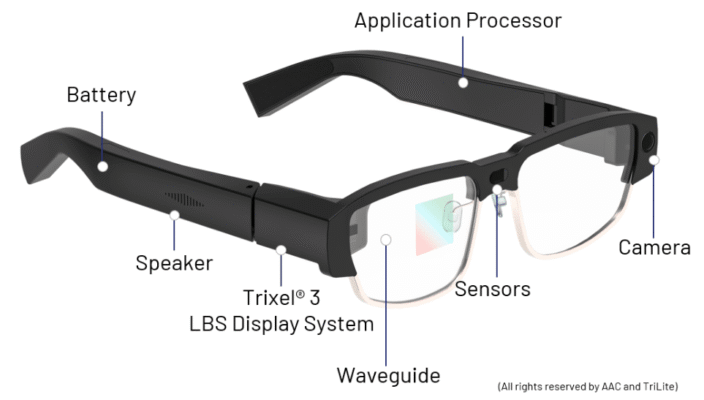
Wearable glasses that display visual prompts, reminders, or cues (sometimes with AI support). They can help with tasks like social coaching, memory support, or step-by-step guidance.
Psychosocial Disabilities
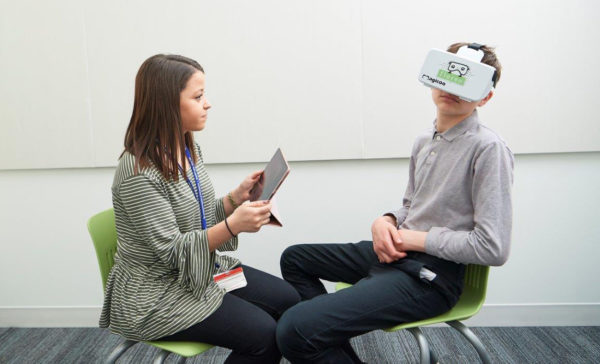
VR programs that simulate realistic social situations so users can practice communication, emotion recognition, and coping strategies in a safe, controlled environment.
Mobility Disability
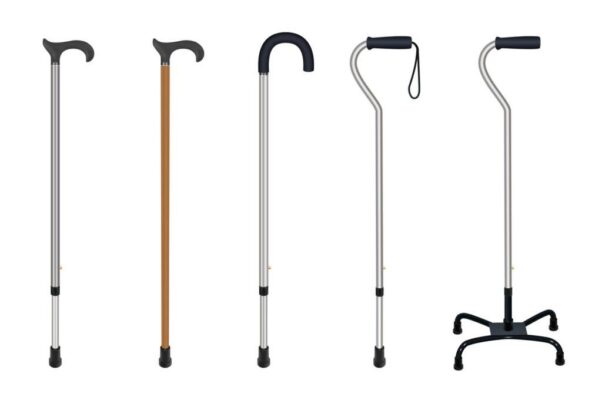
A single-point walking aid used to improve balance and reduce pressure on a leg. Helps with mild mobility limitations or stability needs.
Mobility Disability
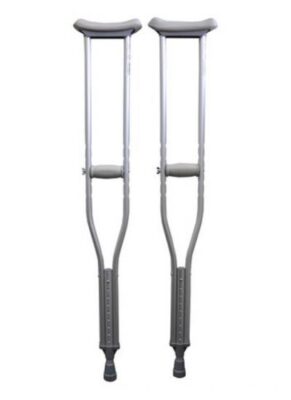
Walking aids that transfer body weight from the legs to the upper body, used when one or both legs need reduced weight-bearing (e.g., injury, surgery).
Mobility Disability
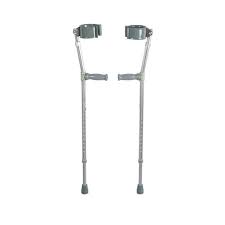
Crutches with a cuff that wraps around the forearm, providing greater stability and comfort for long-term use compared to underarm crutches.
Mobility Disability
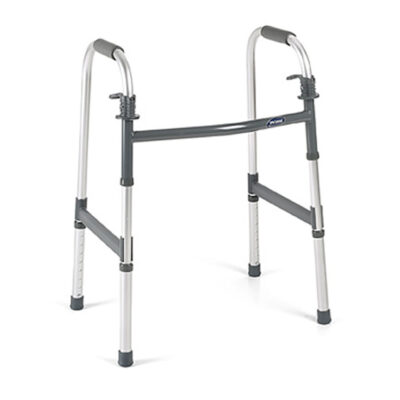
A four-legged walking frame that provides strong support. The user lifts and moves it forward while walking, suitable for people needing significant stability.
Mobility Disability
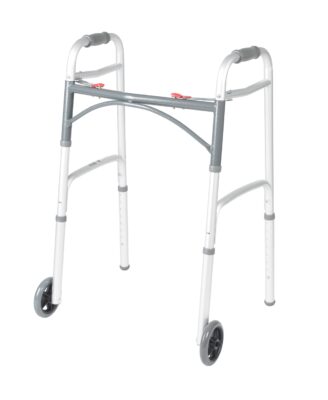
A walker with two or four wheels, allowing the user to push it forward rather than lifting it. It supports smoother movement and may include a…