

Sensory Disability
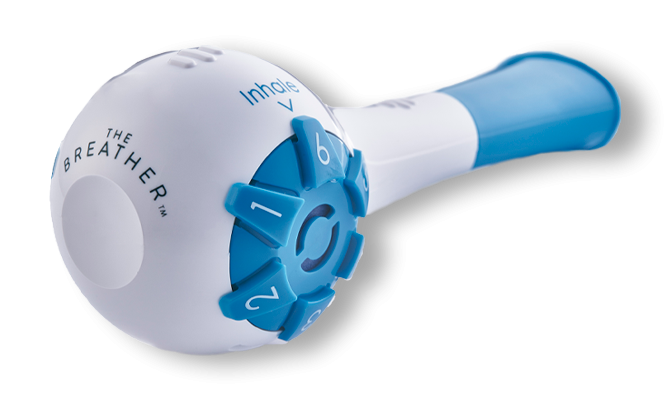
Respiratory training devices
Respiratory muscle training devices that strengthen breathing muscles and improve breath support for speech using resistance or feedback.
- Hardware
- Voice disorders

AccessLife
Explore assistive devices and apps by disability and need. Use the filters to find tools that can support daily life, learning, communication and independence.
Developed by the AccessLife Team and the UNESCWA Disability Rights Team. We extend our gratitude to our core partner AGFUND.
Explore the Assistive Devices Dashboard (opens in a new tab)Sensory Disability
Respiratory muscle training devices that strengthen breathing muscles and improve breath support for speech using resistance or feedback.
Sensory Disability
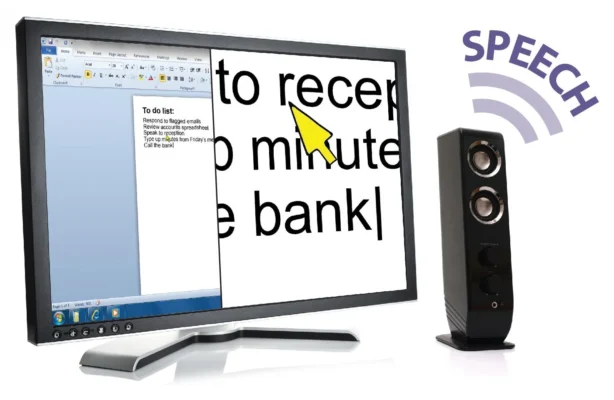
Screen reader software that converts on-screen text into speech or braille, helping blind or low-vision users navigate digital content.
Sensory Disability
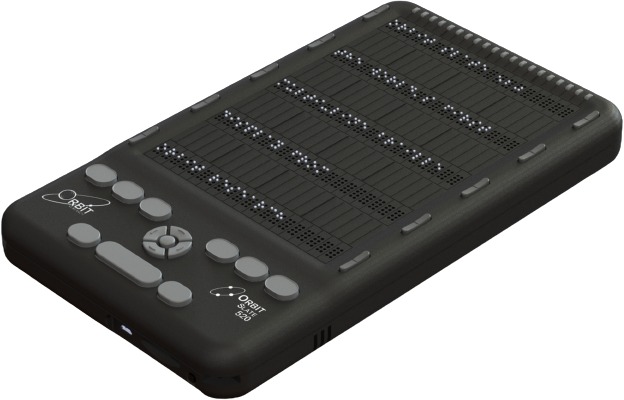
Refreshable braille display that converts digital text into raised braille dots, allowing users to read by touch.

Sensory Disability
OCR apps that scan printed text and convert it into digital text for reading aloud, magnification, or accessibility use.
Sensory Disability
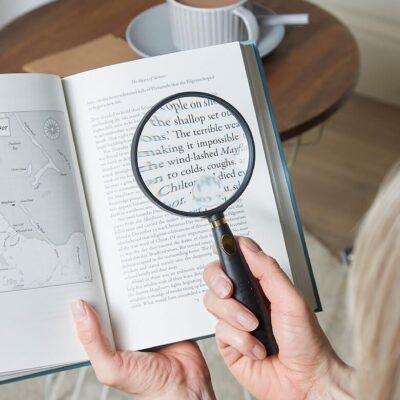
Handheld magnifiers that enlarge printed text or images to support reading for people with low vision.

Sensory Disability
Screen magnification software or accessibility features that enlarge digital text and images on computers or phones.
Sensory Disability
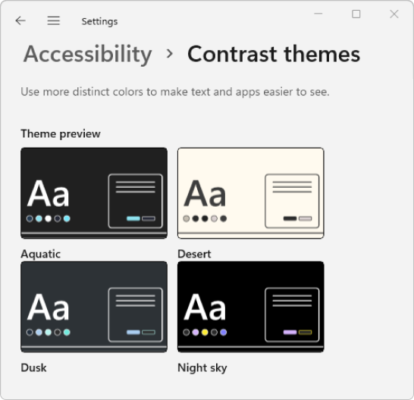
Built-in settings that enlarge text and increase contrast to improve visibility for users with low vision or eye strain.
Sensory Disability
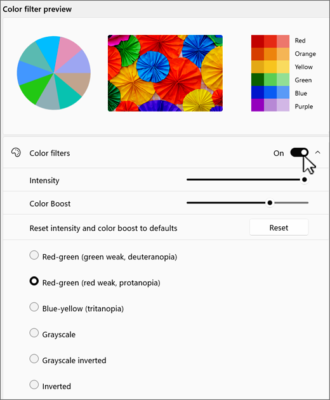
Screen settings that adjust colors, such as grayscale, inversion, or tint overlays, to improve readability or support color vision deficiency.
Sensory Disability
Apps that use the phone camera to identify and announce colors for users with color blindness or low vision.
Sensory Disability
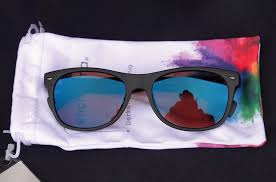
Color-enhancing glasses that filter certain wavelengths to improve color distinction for some users with color vision deficiency.
Sensory Disability
Reading support tools offering text-to-speech, highlighting, simplified layouts, word prediction, or translation for reading difficulties or low vision.
Sensory Disability
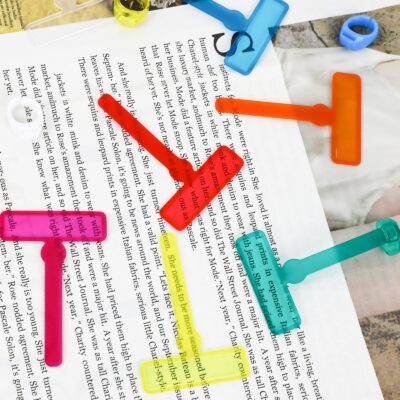
Reading aids that highlight one line or section of text to improve tracking, reduce crowding, and support comprehension.
Sensory Disability
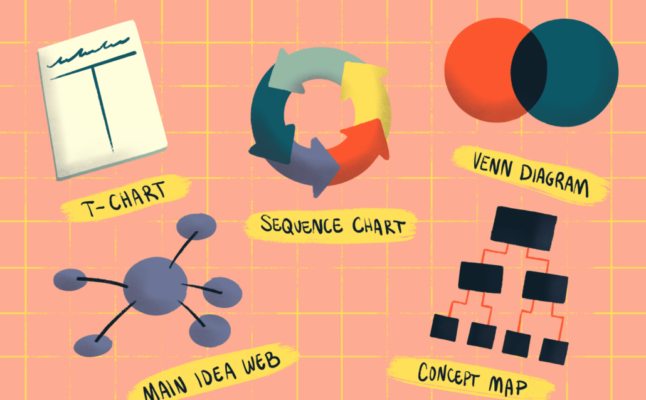
Visual planning tools that organize ideas using mind maps, flowcharts, schedules, or structured charts.
Psychosocial Disabilities
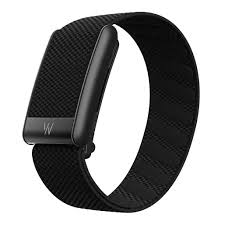
Wearables that track stress signals like heart rate variability or skin temperature and provide alerts, trends, or relaxation feedback.

Psychosocial Disabilities
Weighted pads or blankets that provide deep pressure stimulation to support calmness, focus, and sensory regulation.
Psychosocial Disabilities
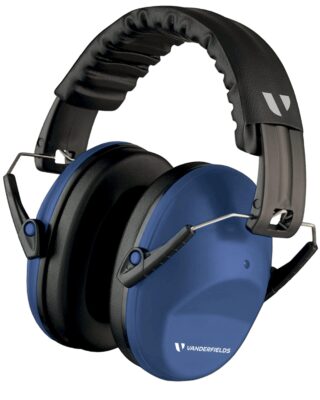
Noise-reducing headphones or earmuffs that block environmental sounds for people with sensory sensitivity.
Psychosocial Disabilities
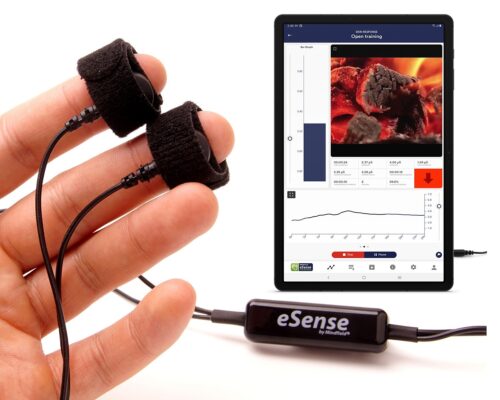
Biofeedback devices that measure body responses and provide real-time feedback to support relaxation and emotional control.
Psychosocial Disabilities
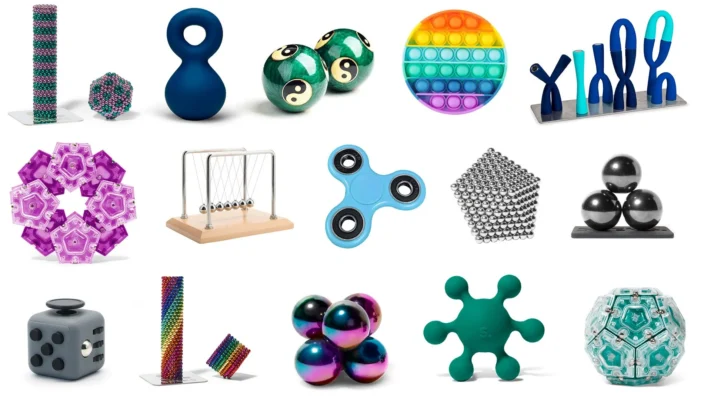
Tactile fidget tools that support attention, emotional regulation, and sensory needs through touch or repetitive movement.
Psychosocial Disabilities
Anxiety management apps with breathing exercises, meditation, mood tracking, journaling, and coping strategies.
Psychosocial Disabilities
CBT-based apps that guide users through exercises to identify and change unhelpful thoughts and behaviors.
Psychosocial Disabilities
Mindfulness apps that guide meditation, breathing, and relaxation practices to reduce stress and support emotional regulation.
Psychosocial Disabilities
Panic support apps offering calming steps, breathing prompts, emergency contacts, or panic buttons to notify trusted people.

Psychosocial Disabilities
Sleep support apps with tracking, relaxation, bedtime routines, or white noise to encourage healthy sleep habits.
Psychosocial Disabilities
Bright light therapy lamps, usually 10,000 lux, used for circadian rhythm support, Seasonal Affective Disorder, or sleep disturbances.