

Sensory Disability
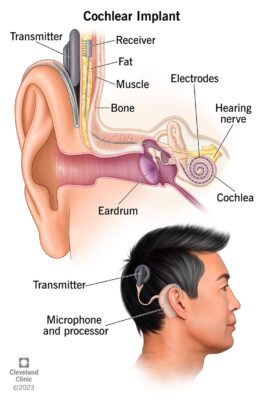
Cochlear implant
Surgically implanted device that bypasses damaged inner ear structures and directly stimulates the auditory nerve to provide sound perception for severe to profound sensorineural hearing loss.
- Hardware
- Deafness

AccessLife
Explore assistive devices and apps by disability and need. Use the filters to find tools that can support daily life, learning, communication and independence.
Developed by the AccessLife Team and the UNESCWA Disability Rights Team. We extend our gratitude to our core partner AGFUND.
Explore the Assistive Devices Dashboard (opens in a new tab)Sensory Disability
Surgically implanted device that bypasses damaged inner ear structures and directly stimulates the auditory nerve to provide sound perception for severe to profound sensorineural hearing loss.
Sensory Disability
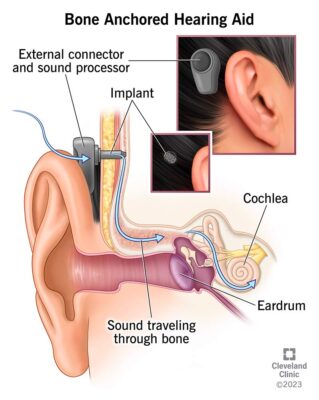
Hearing device that transmits sound through bone conduction to the inner ear, used for conductive hearing loss, single-sided deafness, or when hearing aids cannot be worn.
Sensory Disability
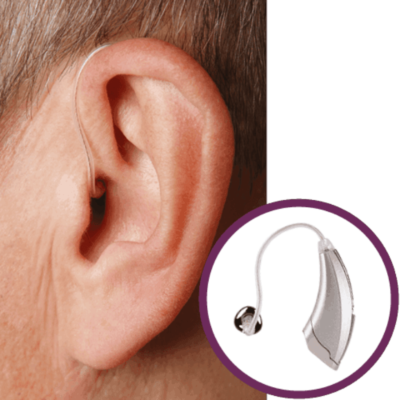
Hearing aid with the receiver inside the ear canal and main body behind the ear, offering a discreet fit and natural sound quality.
Sensory Disability
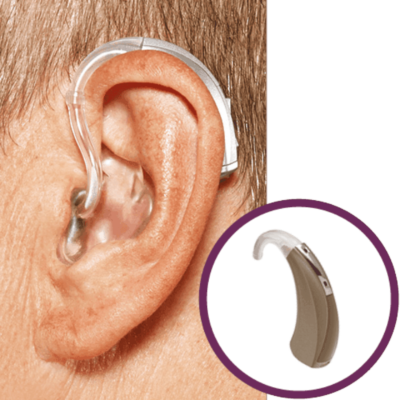
Behind-the-ear device connected to an earmold or dome in the ear canal, suitable for mild to profound hearing loss and known for durability.
Sensory Disability
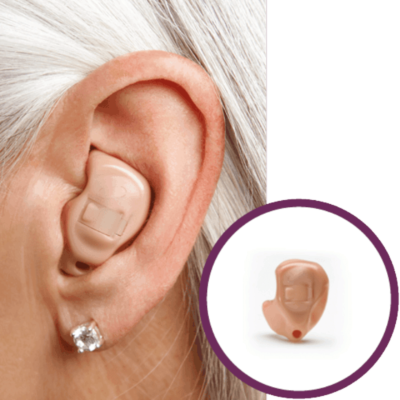
Custom hearing aid fitting the outer ear and concha area, used for mild to severe hearing loss and easier to insert than smaller styles.
Sensory Disability
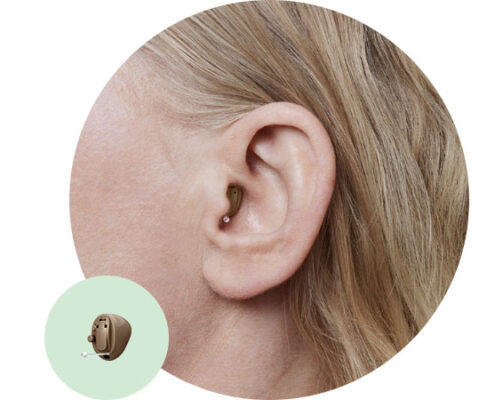
Small custom hearing aid fitting partly inside the ear canal, less visible than ITE models and typically suited for mild to moderate hearing loss.
Sensory Disability
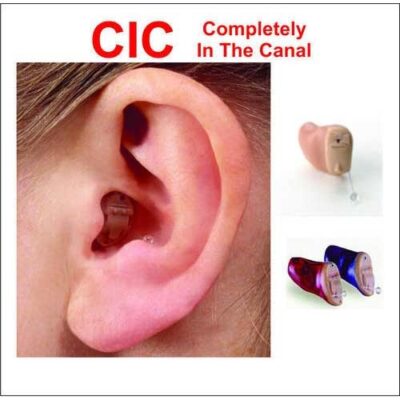
Very small custom hearing aid fitting deep inside the ear canal, nearly invisible and usually used for mild to moderate hearing loss.
Sensory Disability
Apps that measure environmental sound intensity in decibels using a phone microphone, helping users monitor loudness and avoid harmful noise exposure.
Sensory Disability
Apps that convert speech into real-time written text or captions, supporting communication in conversations, lectures, meetings, and phone calls.
Sensory Disability
Apps where users rate and view noise levels in public places, helping people choose quieter environments and improving awareness of sound accessibility.
Sensory Disability
Apps that improve listening and speech understanding through structured hearing exercises, helping users recognize speech, sounds, and words, especially in noisy environments.
Sensory Disability
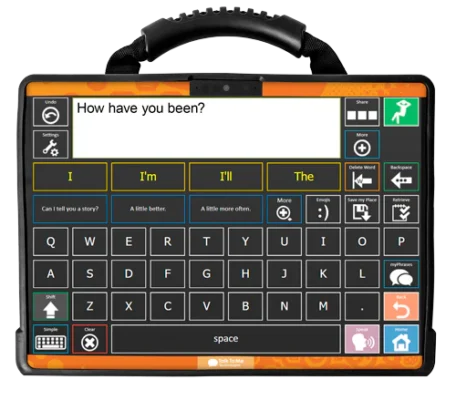
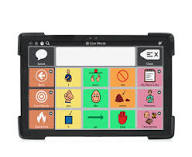
Electronic AAC devices that let users select words, symbols, or letters and produce spoken output for individuals with limited or no functional speech.
Sensory Disability
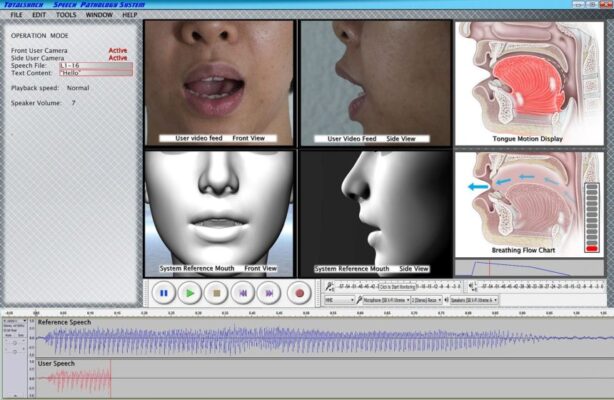
Electronic AAC devices or apps that produce spoken output using symbols, text, phrase banks, predictive text, or text-to-speech for users with limited speech.
Sensory Disability
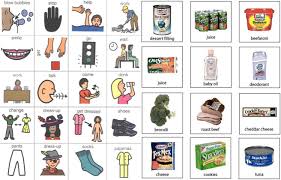
Digital programs that support speech sound practice through exercises, audio models, games, and feedback, often used by therapists for articulation disorders.
Sensory Disability
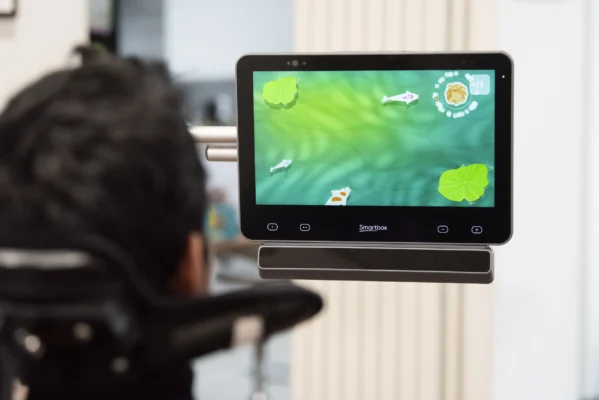
Structured AAC method where users communicate by handing pictures or symbols to request or express needs, commonly used with autism or developmental delays.
Sensory Disability
Eye-tracking AAC systems where users select symbols or words by looking at a screen, producing speech for individuals with severe physical limitations.
Sensory Disability
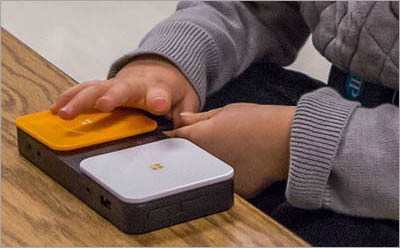
Switch-access tools that let users operate AAC devices, computers, or wheelchairs through small movements, often combined with scanning systems.
Sensory Disability
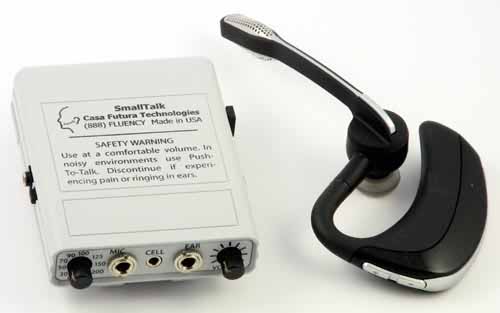
Delayed auditory feedback devices that replay the user’s voice with a slight delay to support fluency and reduce stuttering.
Sensory Disability
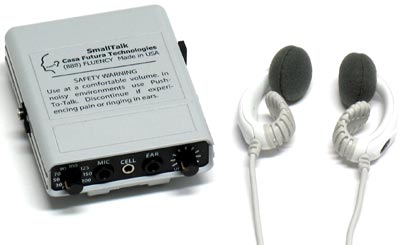
Wearable fluency devices that use delayed feedback, frequency-altered feedback, or masking noise to modify speech perception and support stuttering management.
Sensory Disability
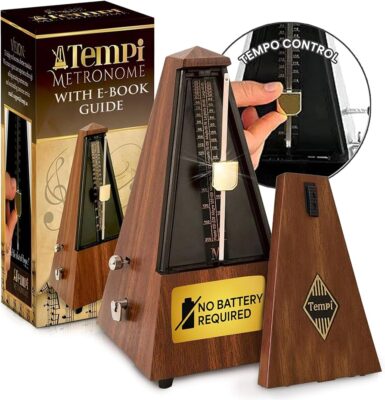
Rhythm or pacing devices and apps that provide a steady beat to guide speech timing, improving fluency and intelligibility.
Sensory Disability
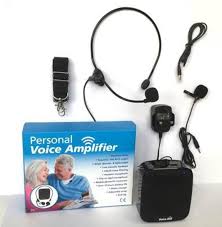
Portable voice amplifiers that increase vocal loudness using a microphone and speaker, helping reduce strain and improve communication.
Sensory Disability
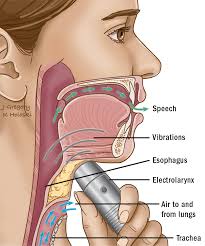
Handheld electrolarynx device that creates vibration-based sound for speech, typically used after laryngectomy.
Sensory Disability
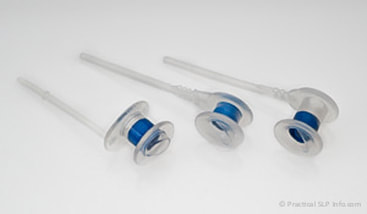
Speech method after laryngectomy using a tracheoesophageal puncture and voice prosthesis to redirect air and create more natural-sounding speech.
Sensory Disability
Voice banking technology that records a person’s voice to create a library for later use in AAC or speech-generating devices.