

Mobility Disability
Reachers / grabbers
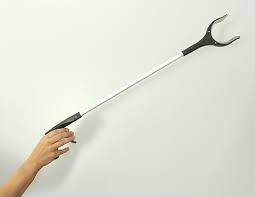
Long-handled tools that allow users to pick up or retrieve items without bending or reaching. Commonly used by people with mobility limitations or balance issues.
- Hardware
- Limited hand or arm use

AccessLife
Explore assistive devices and apps by disability and need. Use the filters to find tools that can support daily life, learning, communication and independence.
Developed by the AccessLife Team and the UNESCWA Disability Rights Team. We extend our gratitude to our core partner AGFUND.
Explore the Assistive Devices Dashboard (opens in a new tab)Mobility Disability
Long-handled tools that allow users to pick up or retrieve items without bending or reaching. Commonly used by people with mobility limitations or balance issues.
Mobility Disability
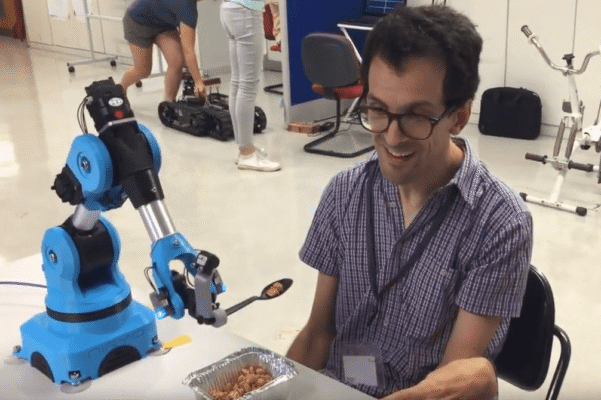
Powered robotic arms mounted on wheelchairs or surfaces to assist with tasks like picking up objects, eating, or operating switches. They support greater independence for users…
Mobility Disability
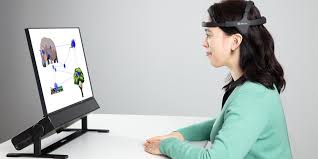
Technology that enables computer and communication access by tracking eye movement. Suitable for individuals with very limited motor control but reliable eye movement.
Mobility Disability
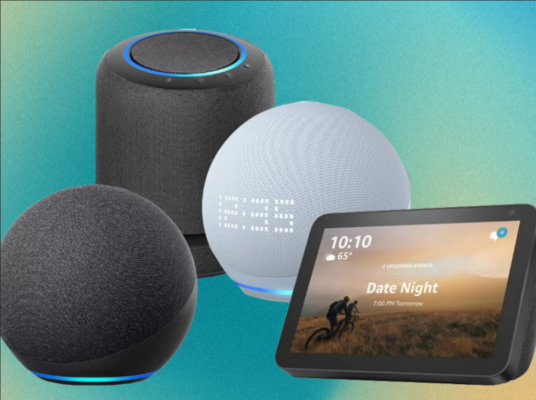
Use of virtual assistants (e.g., voice-controlled systems) to manage reminders, calls, messages, and smart home devices. Supports hands-free access and daily task management.
Intellectual Disability
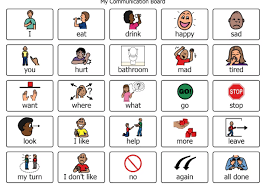
Boards displaying pictures or symbols that users point to in order to communicate. Commonly used in early communication, autism support, or low-tech AAC settings.
Intellectual Disability
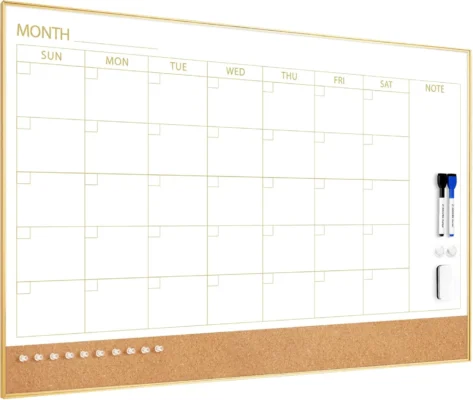
Boards that display daily routines or tasks using pictures, symbols, or text. They support predictability, independence, and time awareness.
Intellectual Disability
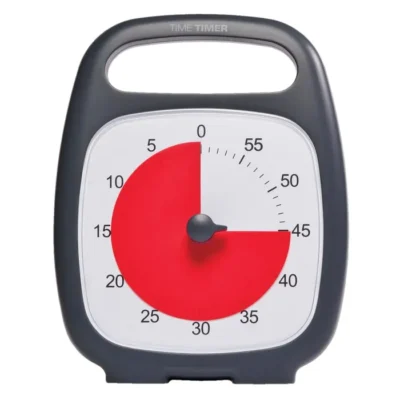
Timers that show the passage of time visually (e.g., disappearing color). Useful for improving time awareness, transitions, and task completion.
Intellectual Disability
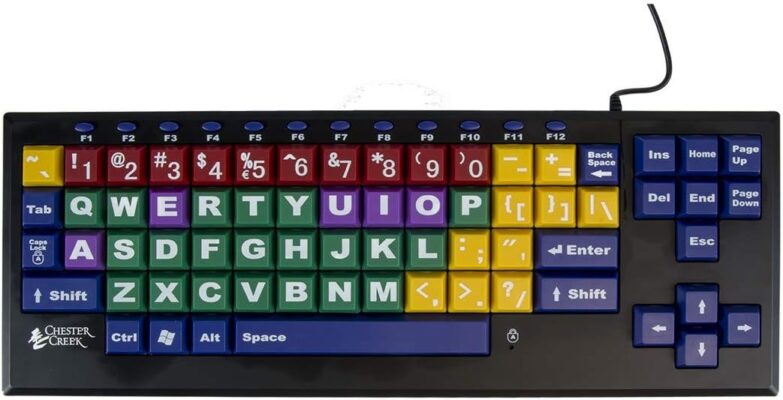
Keyboards with keys grouped or highlighted by color to improve visual recognition and reduce typing errors. Helpful for users with learning disabilities or visual processing challenges.
Intellectual Disability
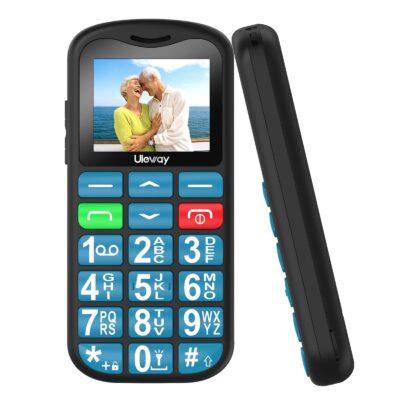
Mobile phones with oversized buttons, simple menus, and loud audio. Designed for users with limited dexterity, vision impairments, or cognitive challenges.
Intellectual Disability
Apps that allow observation and recording of behaviors over time. Used to monitor progress, identify patterns, and support interventions.

Intellectual Disability
Custom interfaces that reduce clutter and limit access to essential apps. Helpful for users overwhelmed by standard device layouts.
Intellectual Disability
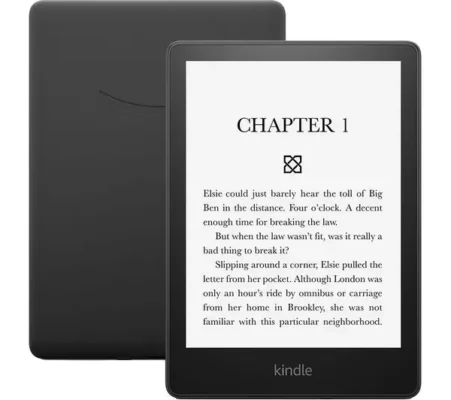
Devices that allow text size, contrast, and audio output adjustments. Improve access to reading for users with visual or reading difficulties.
Intellectual Disability
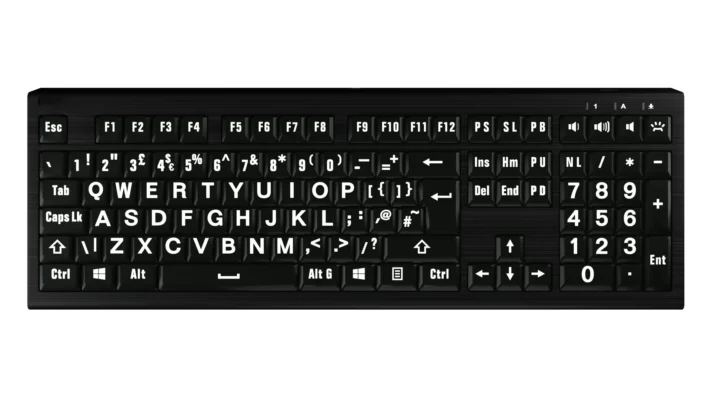
Keyboards with oversized, high-contrast lettering. Designed for users with low vision.

Intellectual Disability
Microphones that capture speech accurately for dictation. Useful for users who have difficulty typing.

Intellectual Disability
Software that converts written text into spoken audio. Supports reading comprehension and access to written content.

Intellectual Disability
Tools that convert spoken language into written text. Support writing, note-taking, and communication.
Intellectual Disability
Apps that build reading skills through phonics-based instruction and practice. Useful for literacy development.
Intellectual Disability
Tools that check spelling and grammar in real time. Improve written communication and confidence.
Intellectual Disability
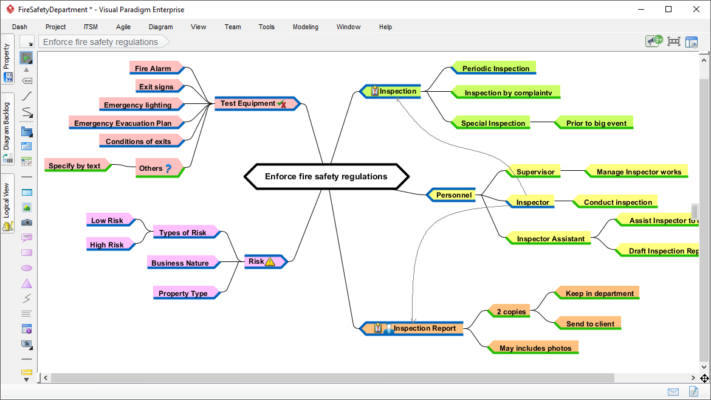
Apps that allow ideas to be organized visually using diagrams and branches. Support planning, writing, and problem-solving.
Intellectual Disability
Apps that break math problems into guided steps or use visual aids. Help users understand concepts and processes.

Intellectual Disability
Apps that limit notifications or access to distracting content. Support sustained attention and task completion.

Intellectual Disability
Tools that provide real-time or recorded captions. Support users with hearing loss or auditory processing difficulties.

Intellectual Disability
Devices that organize and dispense medication at scheduled times. Improve medication adherence and safety.
Intellectual Disability
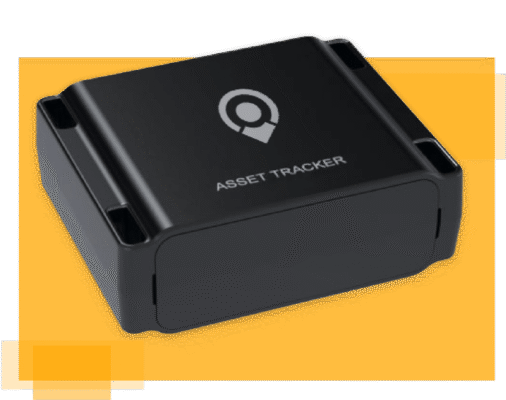
Devices that provide real-time location tracking. Support independent travel and safety monitoring.