

Mobility Disability
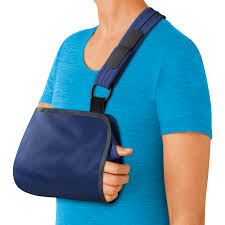
Arm supports and slings
Mechanical or wearable supports that reduce the effort required to lift or move the arms. They help people with muscle weakness perform tasks like eating, typing,…
- Hardware
- Limited hand or arm use

AccessLife
Explore assistive devices and apps by disability and need. Use the filters to find tools that can support daily life, learning, communication and independence.
Developed by the AccessLife Team and the UNESCWA Disability Rights Team. We extend our gratitude to our core partner AGFUND.
Explore the Assistive Devices Dashboard (opens in a new tab)Mobility Disability
Mechanical or wearable supports that reduce the effort required to lift or move the arms. They help people with muscle weakness perform tasks like eating, typing,…
Mobility Disability
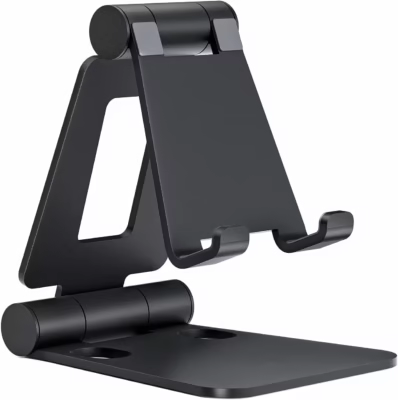
Phone or tablet mounts that hold devices in fixed positions on tables, wheelchairs, beds, or stands for easier access.

Mobility Disability
Modified handles or attachments that make tools, pens, or cutlery easier to hold. Useful for people with weak grip strength, tremors, or limited hand coordination.
Mobility Disability
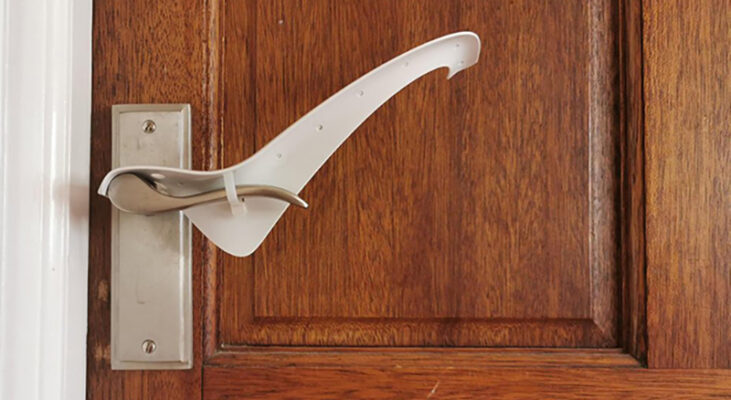
Door handles that operate by pushing down rather than twisting. They improve accessibility for people with limited hand strength or dexterity.
Mobility Disability
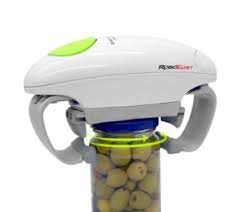
Electric or battery-powered devices that open jars with minimal effort. Helpful for individuals with arthritis, weak grip, or one-handed use.
Mobility Disability
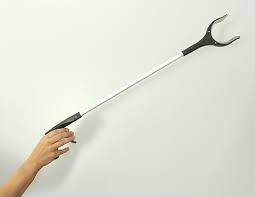
Long-handled tools that allow users to pick up or retrieve items without bending or reaching. Commonly used by people with mobility limitations or balance issues.

Mobility Disability
Powered robotic arms mounted on wheelchairs or surfaces to assist with tasks like picking up objects, eating, or operating switches. They support greater independence for users…
Mobility Disability
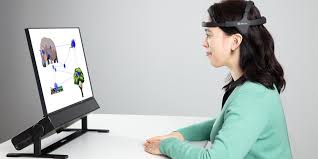
Technology that enables computer and communication access by tracking eye movement. Suitable for individuals with very limited motor control but reliable eye movement.
Mobility Disability
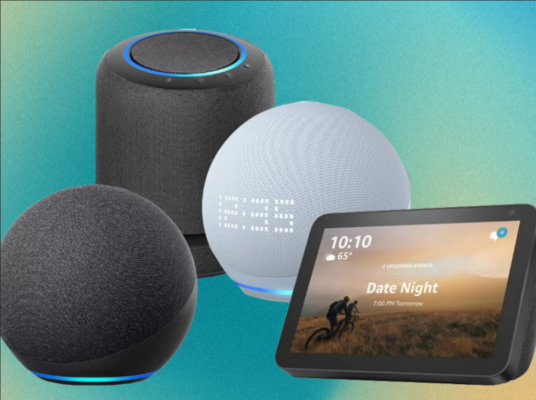
Use of virtual assistants (e.g., voice-controlled systems) to manage reminders, calls, messages, and smart home devices. Supports hands-free access and daily task management.