

Mobility Disability
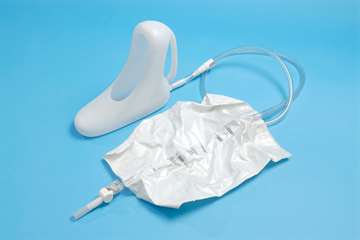
Catheter supports / toileting aids
Products designed to assist with bladder management and hygiene (e.g., catheter holders, positioning tools, raised toilet seats). Improve safety, comfort, and dignity.
- Hardware
- Full Paralysis

AccessLife
Explore assistive devices and apps by disability and need. Use the filters to find tools that can support daily life, learning, communication and independence.
Developed by the AccessLife Team and the UNESCWA Disability Rights Team. We extend our gratitude to our core partner AGFUND.
Explore the Assistive Devices Dashboard (opens in a new tab)Mobility Disability
Products designed to assist with bladder management and hygiene (e.g., catheter holders, positioning tools, raised toilet seats). Improve safety, comfort, and dignity.

Mobility Disability
Software that allows users to control a device and communicate by eye movement, selecting letters or symbols on a screen.
Mobility Disability
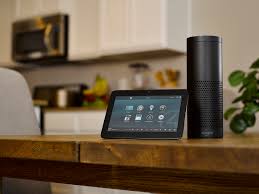
Technology that lets users operate computers and smart home devices using voice commands, improving independence and reducing physical effort.
Mobility Disability
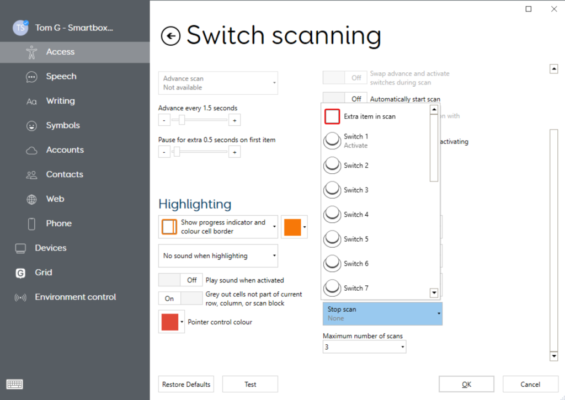
Software that highlights options one at a time (or in groups) so users can select using a switch. Often used with AAC and computer access.

Mobility Disability
Apps that allow caregivers to monitor safety and daily activity remotely (e.g., medication compliance, location, alerts), supporting independent living.

Mobility Disability
Basic prosthetics operated through body movement or manual control, using cables, straps, or simple joints.
Mobility Disability
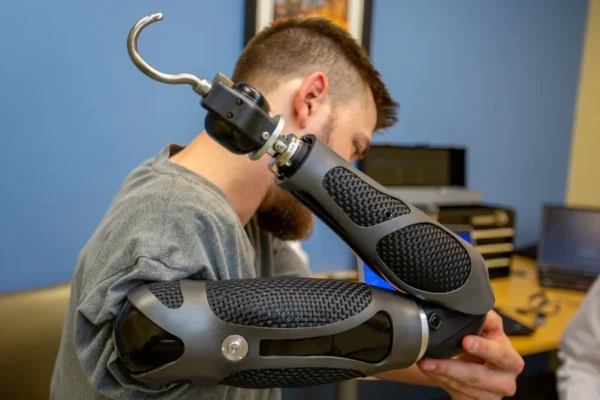
Prosthetics that use electrical signals from muscles to control movement, enabling more natural and precise hand/arm function.
Mobility Disability
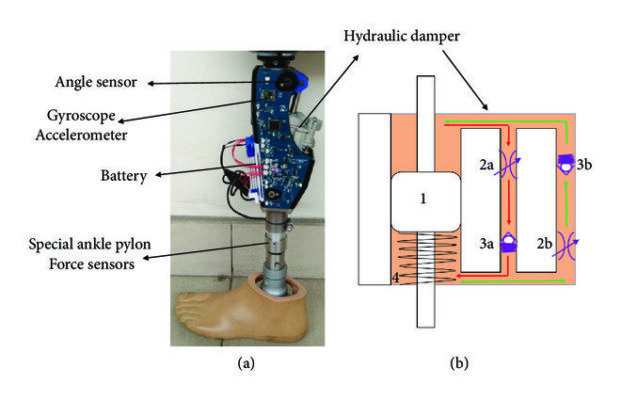
Advanced prosthetics (often legs/knees) that use sensors and microprocessors to adjust movement in real time for smoother walking and improved stability.

Mobility Disability
Prosthetic liners and suspension systems that improve limb comfort, fit, skin protection, stability, and secure prosthesis control.
Mobility Disability
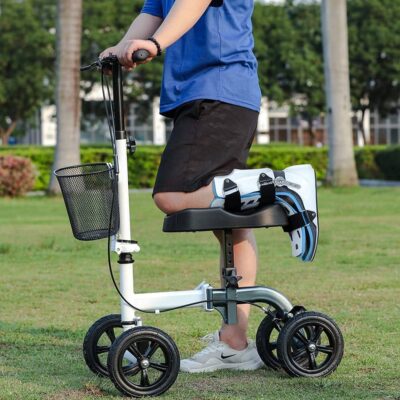
Mobility aids for lower-limb injuries.
Mobility Disability
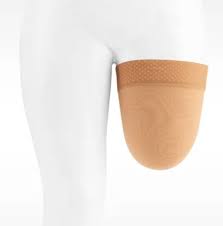
Skin care supplies used to maintain skin health and limb shape after amputation
Mobility Disability
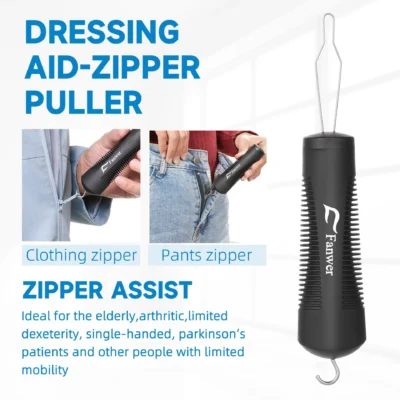
Tools that help individuals dress more independently, especially those with limited fine motor control or one-handed use.
Mobility Disability
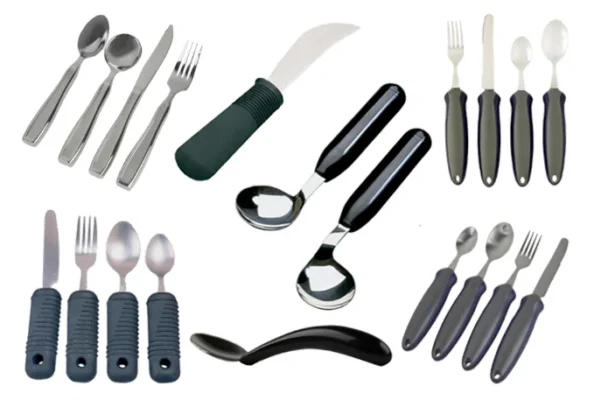
Modified tools (built-up handles, angled utensils, rocker knives, jar openers) that improve grip and independence in eating and meal preparation.
Mobility Disability
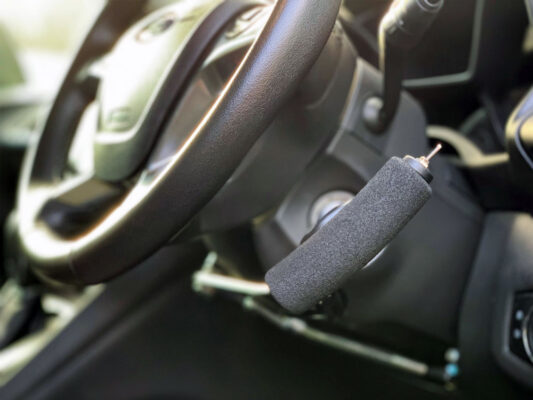
Vehicle modifications that allow driving using hand-operated controls for acceleration and braking. Often used by individuals with lower limb impairments.
Mobility Disability
Apps that offer tools such as relaxation exercises, pain tracking, education, or therapy techniques to help manage phantom limb pain and chronic pain.
Mobility Disability
Apps that enable physiotherapy through video consultations, exercise plans, and remote monitoring, allowing users to receive therapy from home.
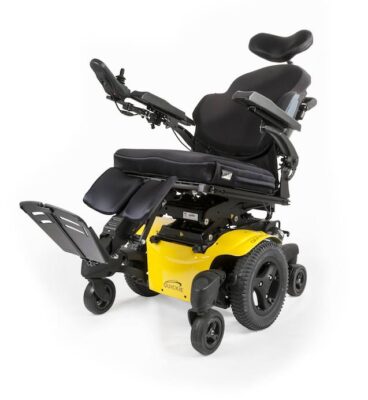
Mobility Disability
Power wheelchairs that change seat position to improve comfort and posture, reduce pressure sores, and support breathing and circulation.
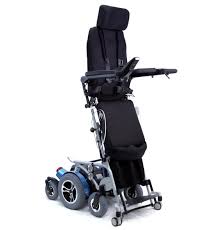
Mobility Disability
Standing wheelchairs that raise users into a supported standing position, improving posture, circulation, reach, digestion, and interaction height.
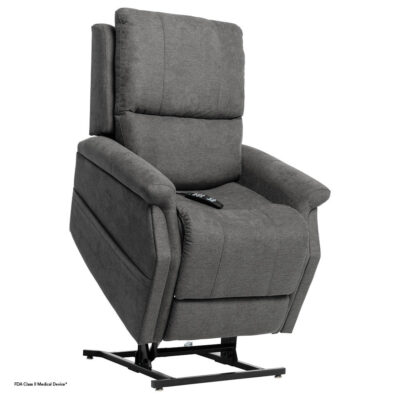
Mobility Disability
Powered chairs that tilt forward to help a person stand up or sit down safely with less effort. Commonly used by individuals with weakness, arthritis, balance…
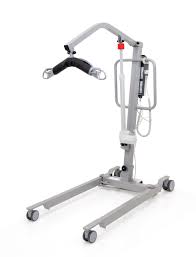
Mobility Disability
Mechanical devices (often mobile) that help lift and transfer a person between surfaces (bed, chair, toilet). They reduce fall risk and prevent caregiver strain. Includes patient…
Mobility Disability
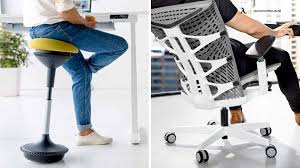
Special seating systems and supports designed to improve body alignment, stability, and comfort. They help prevent pressure sores, reduce pain, and support trunk/head posture, especially for…
Mobility Disability
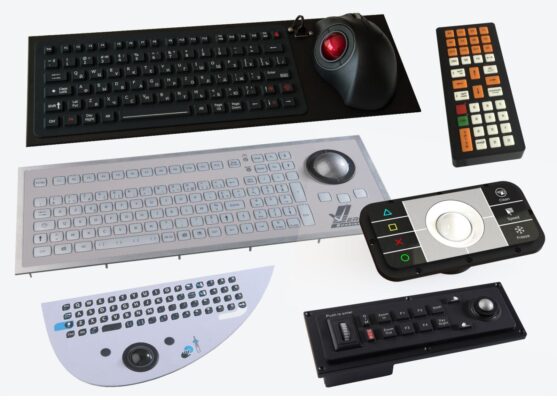
Alternative computer input devices designed to make typing and cursor control easier.
Mobility Disability
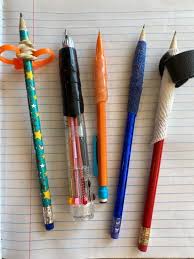
Pens designed to improve control and reduce tremor or fatigue. Weighted versions increase stability for people with shaky hands.
Mobility Disability
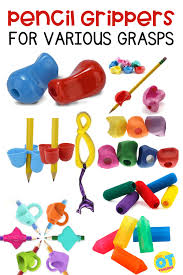
Tools that support correct finger placement and improve handwriting stability. Writing guides help with alignment, spacing, and staying within lines.