AccessLife

Tool Guide

Explore assistive devices and apps by disability and need. Use the filters to find tools that can support daily life, learning, communication and independence.

Developed by the AccessLife Team and the UNESCWA Disability Rights Team. We extend our gratitude to our core partner AGFUND.

Explore the Assistive Devices Dashboard (opens in a new tab)
Skip to results

Tools

30 tools found

  • Psychosocial Disabilities

    PTSD-specific therapy apps

    Apps designed for PTSD support, offering tools such as symptom tracking, coping exercises, guided relaxation, education, and therapy-based techniques (often CBT/trauma-informed).

    • Software
    • Trauma-related conditions
  • Psychosocial Disabilities

    Sleep and nightmare tracking apps

    Apps that allow users to track sleep patterns and nightmares by recording sleep duration, dream content, triggers, and mood. They support identifying patterns and improving sleep-related…

    • Software
    • Trauma-related conditions
  • Psychosocial Disabilities

    Journaling apps with encryption/privacy

    Digital journals that protect sensitive entries using encryption, passwords, or biometric locks. Helpful for mental health reflection while maintaining confidentiality and security.

    • Software
    • Trauma-related conditions
  • Psychosocial Disabilities

    Crisis and safety planning apps

    Apps that help users create a personalized safety plan for mental health crises, including warning signs, coping steps, emergency contacts, and quick access to support resources.

    • Software
    • Trauma-related conditions
  • Psychosocial Disabilities

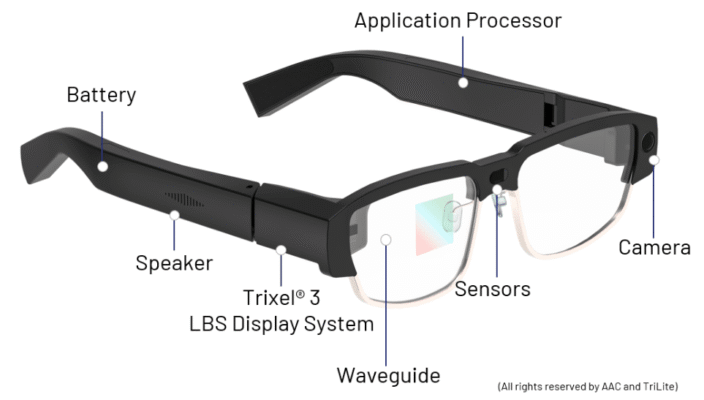
    Smart glasses

    Wearable glasses that display visual prompts, reminders, or cues (sometimes with AI support). They can help with tasks like social coaching, memory support, or step-by-step guidance.

    • Hardware
    • Social interaction challenges
  • Psychosocial Disabilities

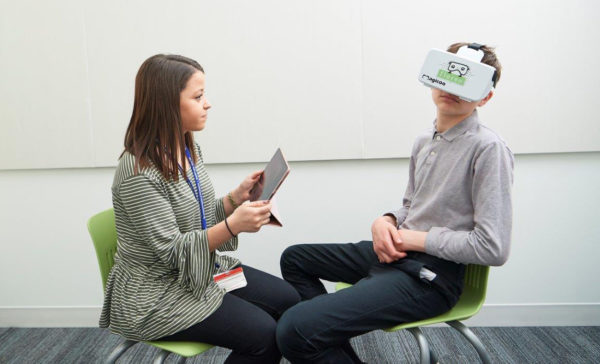
    Virtual reality (VR) social skills training

    VR programs that simulate realistic social situations so users can practice communication, emotion recognition, and coping strategies in a safe, controlled environment.

    • Software
    • Social interaction challenges