

Psychosocial Disabilities
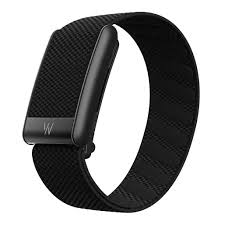
Wearable stress monitors
Wearables that track stress signals like heart rate variability or skin temperature and provide alerts, trends, or relaxation feedback.
- Hardware
- Anxiety disorders

AccessLife
Explore assistive devices and apps by disability and need. Use the filters to find tools that can support daily life, learning, communication and independence.
Developed by the AccessLife Team and the UNESCWA Disability Rights Team. We extend our gratitude to our core partner AGFUND.
Explore the Assistive Devices Dashboard (opens in a new tab)Psychosocial Disabilities
Wearables that track stress signals like heart rate variability or skin temperature and provide alerts, trends, or relaxation feedback.
Psychosocial Disabilities
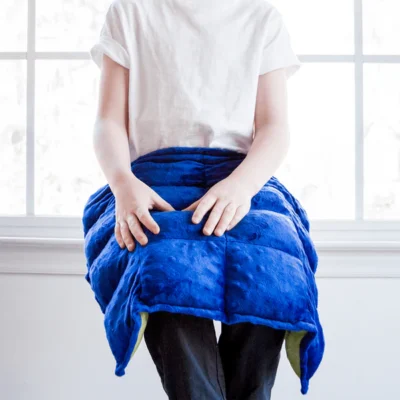
Weighted pads or blankets that provide deep pressure stimulation to support calmness, focus, and sensory regulation.
Psychosocial Disabilities
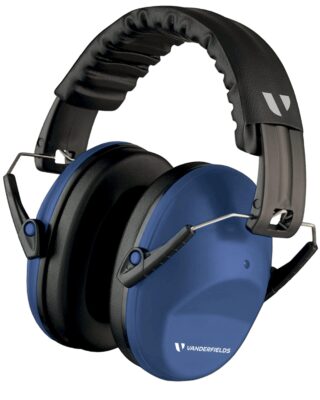
Noise-reducing headphones or earmuffs that block environmental sounds for people with sensory sensitivity.
Psychosocial Disabilities
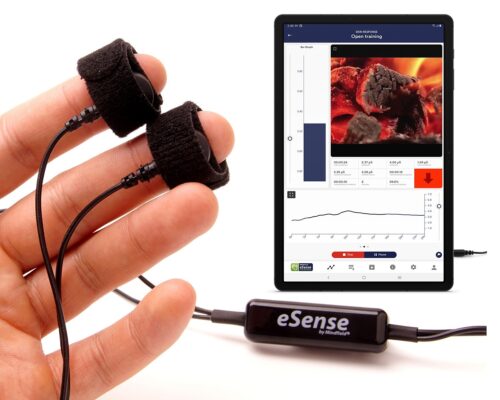
Biofeedback devices that measure body responses and provide real-time feedback to support relaxation and emotional control.
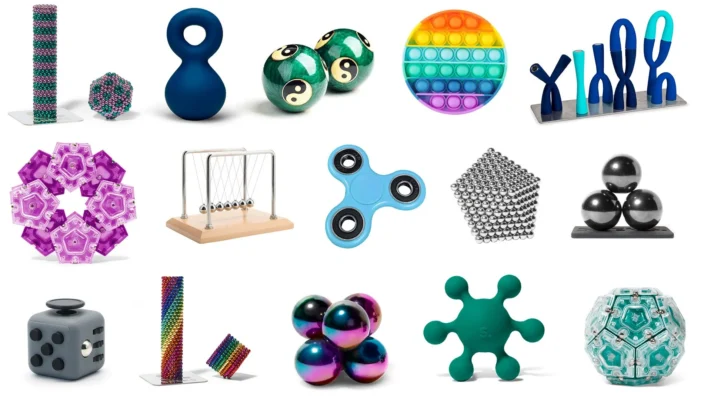
Psychosocial Disabilities
Tactile fidget tools that support attention, emotional regulation, and sensory needs through touch or repetitive movement.
Psychosocial Disabilities
Anxiety management apps with breathing exercises, meditation, mood tracking, journaling, and coping strategies.
Psychosocial Disabilities
CBT-based apps that guide users through exercises to identify and change unhelpful thoughts and behaviors.
Psychosocial Disabilities
Mindfulness apps that guide meditation, breathing, and relaxation practices to reduce stress and support emotional regulation.
Psychosocial Disabilities
Panic support apps offering calming steps, breathing prompts, emergency contacts, or panic buttons to notify trusted people.
Psychosocial Disabilities
Sleep support apps with tracking, relaxation, bedtime routines, or white noise to encourage healthy sleep habits.
Psychosocial Disabilities
Bright light therapy lamps, usually 10,000 lux, used for circadian rhythm support, Seasonal Affective Disorder, or sleep disturbances.
Psychosocial Disabilities
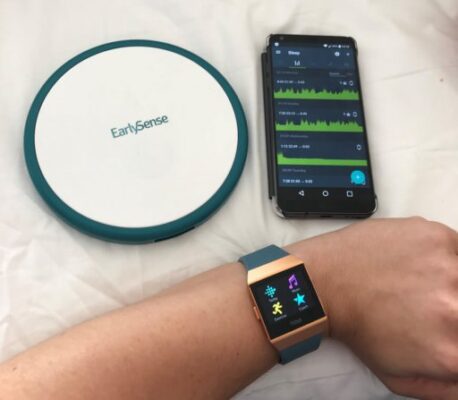
Smart alarms that track sleep cycles and wake users during lighter sleep stages to support easier waking.
Psychosocial Disabilities
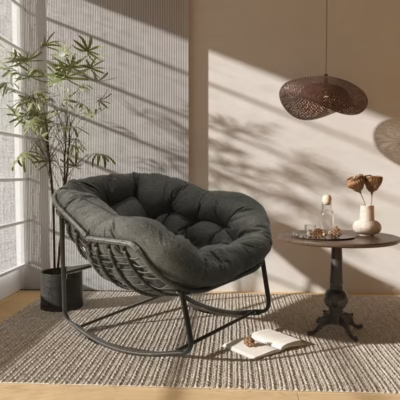
Supportive seating designed to improve comfort, reduce fatigue, and support sensory regulation.
Psychosocial Disabilities
Apps that help users record emotions, triggers, and patterns over time to improve insight and support treatment planning.

Psychosocial Disabilities
Apps that send scheduled alerts to help users remember medications, often with dose tracking and refill reminders.
Psychosocial Disabilities
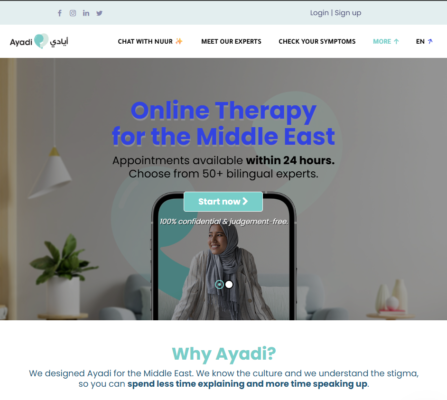
Online services that connect users with therapists via video, phone, or chat, making therapy more accessible.

Psychosocial Disabilities
Simplified planners with minimal visual clutter, clear structure, and reminders to support users with executive function challenges, ADHD, depression, or cognitive fatigue.
Psychosocial Disabilities
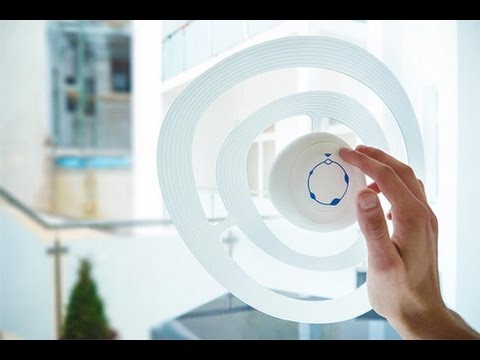
Devices like ear defenders, active noise-cancelling headphones, or sound-dampening systems that reduce sensory overload and support calmness and focus.
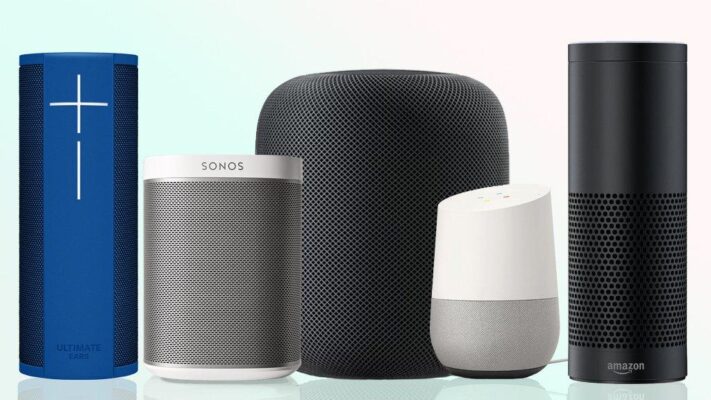
Psychosocial Disabilities
Voice-controlled assistants (e.g., for reminders, routines, calming music, emergency calls). Helpful for accessibility, executive function support, and daily prompts.
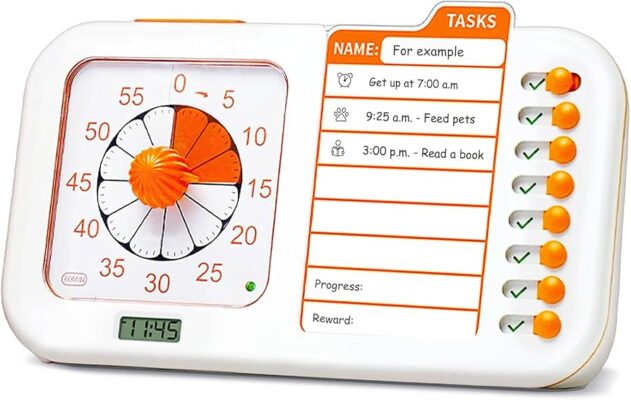
Psychosocial Disabilities
Tools that display time and routines visually (e.g., countdown timers, daily schedules), improving planning, transitions, and independence—especially helpful for ADHD, autism, or anxiety.
Psychosocial Disabilities
Apps that track symptoms (e.g., anxiety intensity, hallucination frequency, medication effects) and provide summaries that can help with clinician follow-ups.
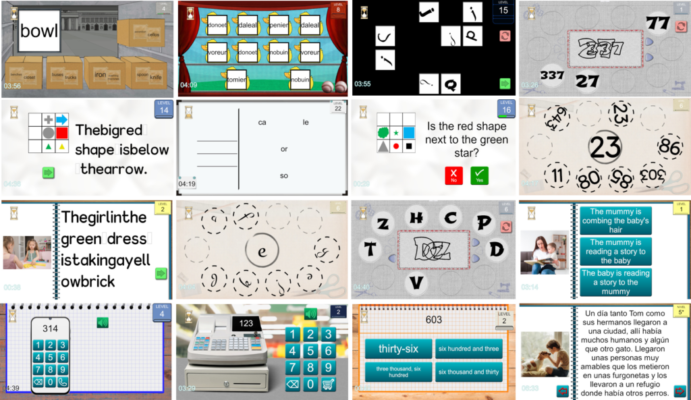
Psychosocial Disabilities
Programs designed to strengthen cognitive skills like attention, memory, processing speed, and problem-solving.
Psychosocial Disabilities
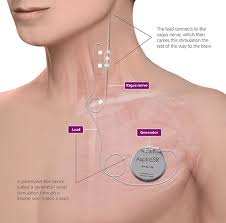
Tools that support relaxation by activating the parasympathetic nervous system through gentle stimulation or breathing-based feedback.
Psychosocial Disabilities
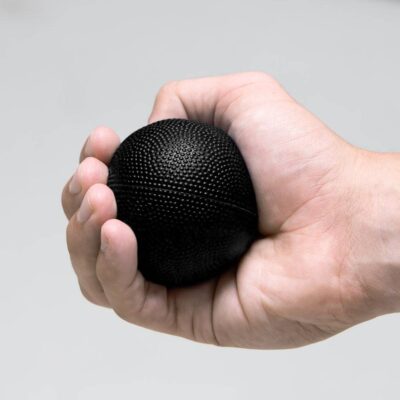
Small, safe objects used to provide sensory input through touch (e.g., textured stones, stress balls, sensory rings). They help reduce anxiety and support grounding during stress…