

Psychosocial Disabilities
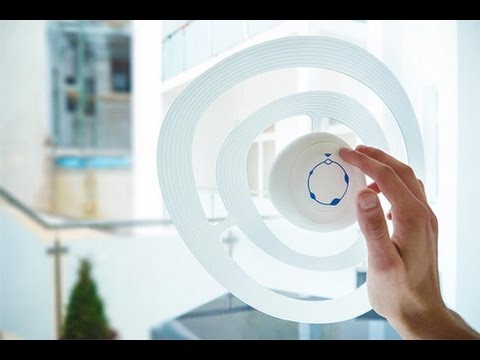
Noise-reduction devices
Devices like ear defenders, active noise-cancelling headphones, or sound-dampening systems that reduce sensory overload and support calmness and focus.
- Hardware
- Psychotic disorders

AccessLife
Explore assistive devices and apps by disability and need. Use the filters to find tools that can support daily life, learning, communication and independence.
Developed by the AccessLife Team and the UNESCWA Disability Rights Team. We extend our gratitude to our core partner AGFUND.
Explore the Assistive Devices Dashboard (opens in a new tab)Psychosocial Disabilities
Devices like ear defenders, active noise-cancelling headphones, or sound-dampening systems that reduce sensory overload and support calmness and focus.
Psychosocial Disabilities
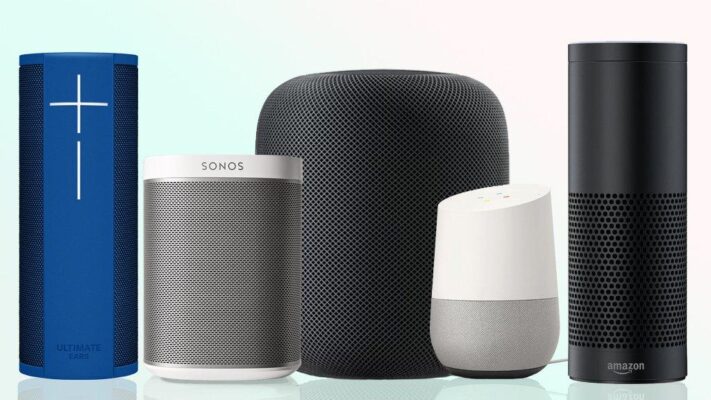
Voice-controlled assistants (e.g., for reminders, routines, calming music, emergency calls). Helpful for accessibility, executive function support, and daily prompts.
Psychosocial Disabilities
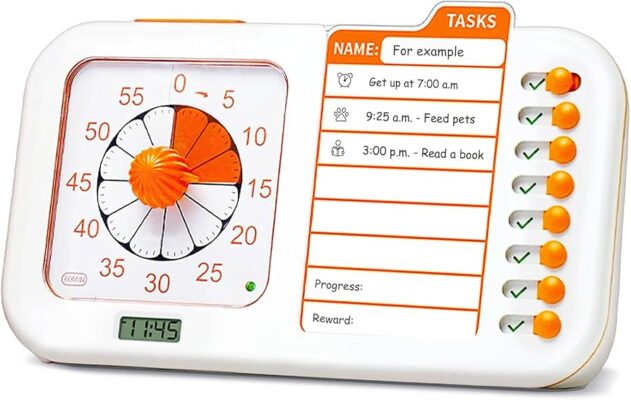
Tools that display time and routines visually (e.g., countdown timers, daily schedules), improving planning, transitions, and independence—especially helpful for ADHD, autism, or anxiety.

Psychosocial Disabilities
Apps that track symptoms (e.g., anxiety intensity, hallucination frequency, medication effects) and provide summaries that can help with clinician follow-ups.
Psychosocial Disabilities
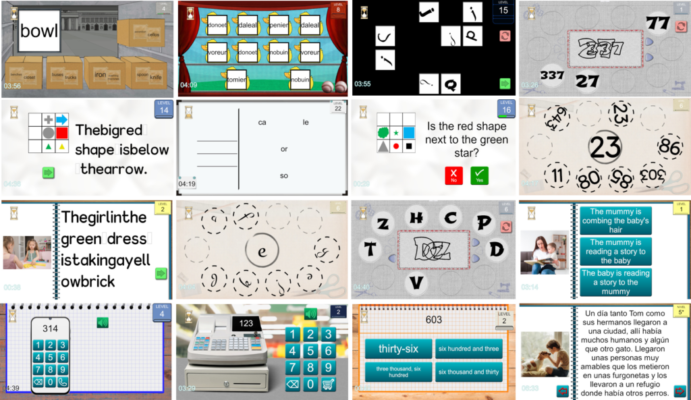
Programs designed to strengthen cognitive skills like attention, memory, processing speed, and problem-solving.