

Psychosocial Disabilities
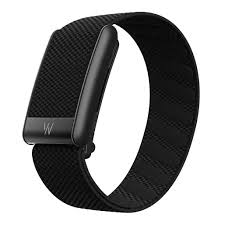
Wearable stress monitors
Wearables that track stress signals like heart rate variability or skin temperature and provide alerts, trends, or relaxation feedback.
- Hardware
- Anxiety disorders

AccessLife
Explore assistive devices and apps by disability and need. Use the filters to find tools that can support daily life, learning, communication and independence.
Developed by the AccessLife Team and the UNESCWA Disability Rights Team. We extend our gratitude to our core partner AGFUND.
Explore the Assistive Devices Dashboard (opens in a new tab)Psychosocial Disabilities
Wearables that track stress signals like heart rate variability or skin temperature and provide alerts, trends, or relaxation feedback.
Psychosocial Disabilities
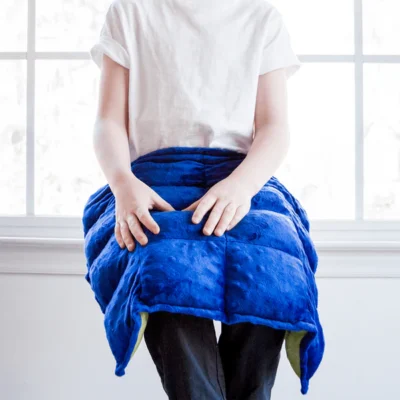
Weighted pads or blankets that provide deep pressure stimulation to support calmness, focus, and sensory regulation.
Psychosocial Disabilities
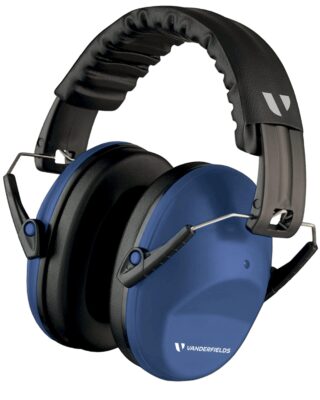
Noise-reducing headphones or earmuffs that block environmental sounds for people with sensory sensitivity.
Psychosocial Disabilities
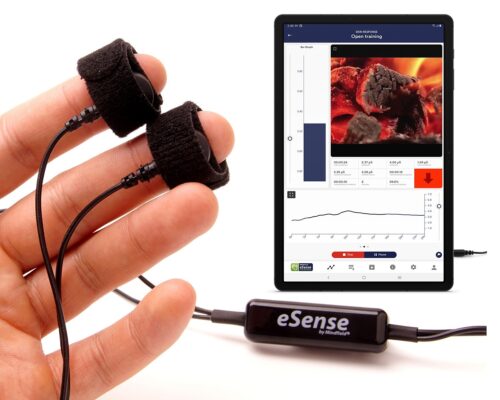
Biofeedback devices that measure body responses and provide real-time feedback to support relaxation and emotional control.
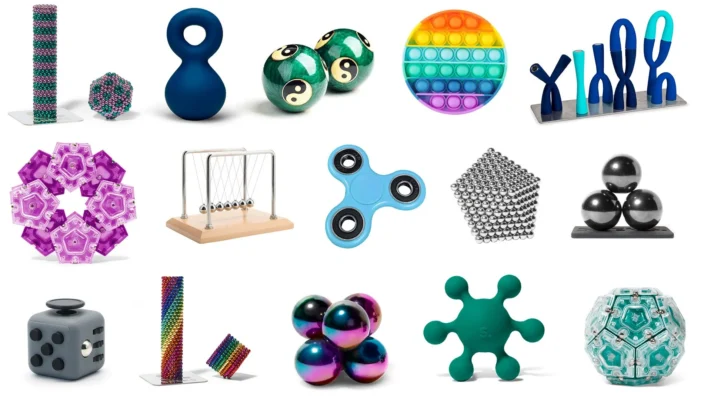
Psychosocial Disabilities
Tactile fidget tools that support attention, emotional regulation, and sensory needs through touch or repetitive movement.
Psychosocial Disabilities
Anxiety management apps with breathing exercises, meditation, mood tracking, journaling, and coping strategies.
Psychosocial Disabilities
CBT-based apps that guide users through exercises to identify and change unhelpful thoughts and behaviors.
Psychosocial Disabilities
Mindfulness apps that guide meditation, breathing, and relaxation practices to reduce stress and support emotional regulation.
Psychosocial Disabilities
Panic support apps offering calming steps, breathing prompts, emergency contacts, or panic buttons to notify trusted people.
Psychosocial Disabilities
Sleep support apps with tracking, relaxation, bedtime routines, or white noise to encourage healthy sleep habits.