


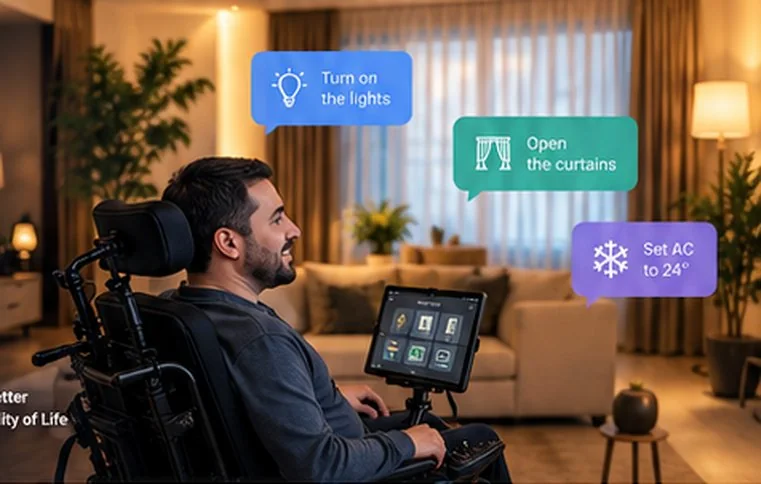
Smart Home
A home that
adapts to you
Smart home technology removes barriers, gives you control, and helps you live more independently, comfortably and safely.
- More Independence
- Greater Safety
- Everyday Convenience
- A Better Quality of Life
For Every Ability
How Smart Homes Support Different Impairments
Smart home solutions can be adapted to different needs and abilities. Explore how they help people with various impairments live more independently and securely.
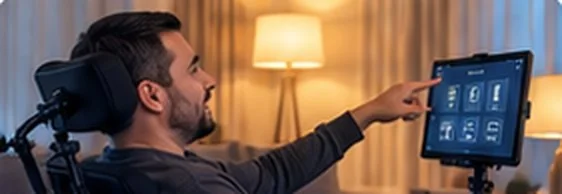
Mobility and Physical Impairments
Control lights, doors, curtains, AC, TV and appliances without needing to reach switches. Use voice, adaptive switches or eye tracking.
- Lighting
- Curtains
- Doors
- AC & Climate
- TV & Media
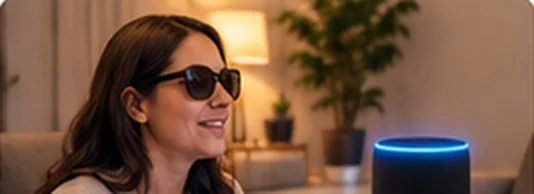
Visual Impairments
Voice assistants and audio feedback help people who are blind or have low vision operate devices, receive alerts and manage daily routines.
- Voice Control
- Audio Feedback
- Spoken Alerts
- Accessible Interfaces
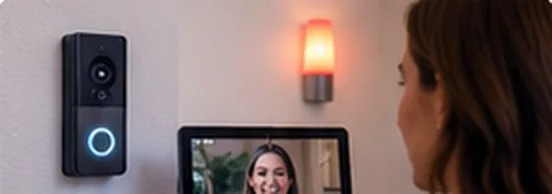
Hearing Impairments
Visual notifications, flashing lights and vibration alerts notify people who are deaf or hard of hearing about doorbells, alarms, visitors and other important events.
- Visual Alerts
- Flash Lights
- Vibration
- Video Alerts
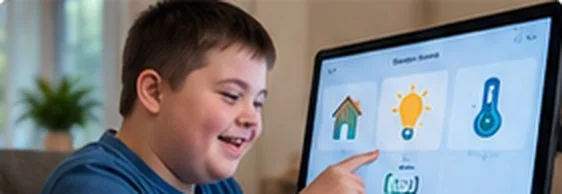
Cognitive, Intellectual and Learning Disabilities
Automated routines, simplified controls, reminders and predictable environments support daily living skills and reduce cognitive demands.
- Routines & Schedules
- Reminders
- Simplified Controls
- Customized Solutions
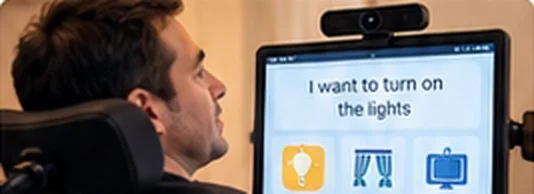
Speech and Communication Impairments
Alternative communication methods, including eye tracking and accessible interfaces, allow people to control their home and communicate without speaking.
- On-screen Keyboards
- Communication Apps
- Smart Home Control
- Alternative Access Methods

Age-Related and Multiple Disabilities
Simplify everyday activities, improve environmental control and support safer living for older adults and people with multiple or progressive impairments.
- Safety Support
- At Home Independence
- Caregiver Assistance
- Flexible Solutions
Alternative Access
Eye-Tracking Technology
Control your home with your eyes
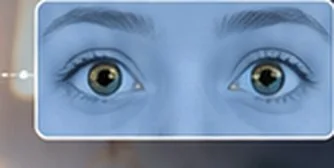
For people who cannot reliably use their hands or voice, eye-tracking technology can enable control of smart home devices through eye movements. It can be especially valuable for people with high-level spinal cord injuries, ALS, advanced muscular dystrophy and other conditions that significantly limit voluntary movement.
Eye tracking works through compatible hardware, software and smart home integrations, and needs setup and calibration. We help you check what suits you.
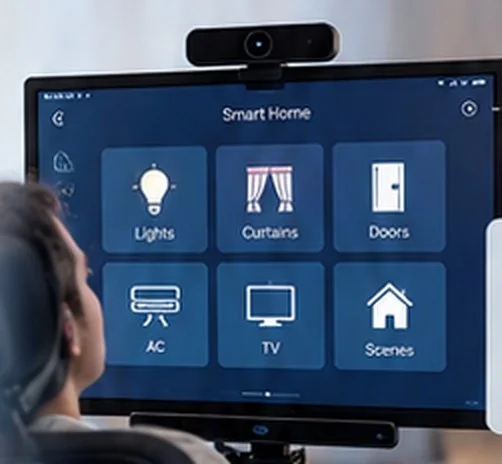
- Control lights, doors, curtains, AC and more
- Works with compatible communication software
- Ideal for severe physical disabilities
- Customized to individual needs
Safety First
Safety, Security & Peace of Mind
Smart home systems can enhance safety with connected sensors, smart locks and emergency alerts. Automated routines can turn off appliances, adjust lighting and notify designated contacts when an event occurs.
Alerts support safety but don’t guarantee it, and they don’t replace emergency services or human help.
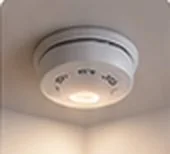
Smoke & Gas Detectors
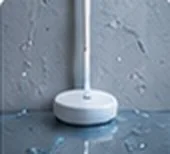
Water Leak Sensors
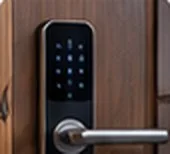
Smart Locks
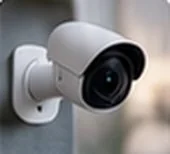
Security Cameras

Emergency Alerts

Designed Around You
There is no one-size-fits-all smart home
The right solution depends on your abilities, living environment and preferences. AccessLife helps you explore accessible technologies that work together to create a home that supports your independence, safety and lifestyle.