Living With Paralysis / Health / Sexual Health
Sexual Health for Men
Paralysis changes how the body responds, not who you are. A satisfying sex life, healthy relationships, and a positive body image remain fully possible after spinal cord injury, brain injury, or neurological disease — with the right information and preparation.
95%of men with spinal cord injury experience changes in ejaculatory function
40–60%of men with brain injury have temporary erectile changes
50–75%of men with MS experience erectile dysfunction
2 Yrswindow in which erectile function may still return after SCI
Sexual Health for Men
⏰ Est. reading time: 26 minutes

“Sexual health is a state of physical, mental, and social well-being in relation to sexuality, requiring a positive and respectful approach to sexual relationships and pleasurable, safe experiences.” — World Health Organization

After a spinal cord injury, brain injury, or neurological disease, your sexuality is intact — but the way your body responds may change. Sexual experiences often begin with relationships: meeting someone, building comfort, and getting to know one another. Finding confidence in your own abilities and your partner’s understanding is the foundation of a satisfying sexual relationship. Male/female terminology below refers to body mechanics, not identity — your sexuality remains your own.

Understanding Sexual Health After Paralysis

Sexual health and sexuality are common concerns for people living with spinal cord injury, brain injury, and neurological disease. This is a normal, expected part of life and belongs in your rehabilitation program — not on the sidelines of it. Sexuality is an expression of who you are: your feelings toward others and toward yourself. A positive body image and a satisfying sex life are achievable for everyone, though finding the right resources and adaptations can take time.

Sexual Violence

Being in a relationship includes the safety of your physical body and your mental health. Everyone has the right to be treated with respect and to have their wishes considered, in sexual and non-sexual relationships alike. If a relationship feels unsafe or disrespectful, reconsider it — discomfort with your body or abilities is never a reason to accept mistreatment. If you feel you are being mistreated, call the Hotline at 16736 or 122 Staff can help you work through your concerns, even before abuse has occurred, and connect you with resources in your community.

Children, Puberty & Development

Young children naturally explore their bodies as a way of learning, not sexual stimulation. Children with neurological injury who are catheterized or supported through bowel programs by a caregiver may not notice typical gender body differences until they transition to self-care — a transition that matters for development and maturity. Neurological injury before puberty can also affect body development: brain injury may disrupt hormone production, and spinal cord injury can contribute to scoliosis or underdeveloped legs, so these should be monitored with a healthcare professional.

Puberty typically begins between ages 12 and 16 in males, driven by androgens including testosterone — producing genital growth, body hair, voice changes, and a growth spurt. Precocious puberty (before age 9) can result from high-calorie tube feeding or reduced energy expenditure from limited movement. Delayed puberty (no testicular development by 14, or incomplete development five years after onset) can stem from malnutrition, high energy expenditure from spasticity or mobility demands, or a brain tumor or injury disrupting hormone production. Teens with chronic health conditions may also face unique adjustment challenges around privacy, limited sexual health information, and reduced opportunities for private exploration or relationships.

The Body’s Sexual Response

Men move through a four-phase sexual response cycle. Neurological injury can affect the timing, intensity, or completeness of any phase.

1. Excitement
Rising heart rate, breathing, and blood pressure; flushed skin; erection begins as blood flow to the penis increases.
2. Plateau
Intensity builds; duration varies and may be affected by neurological status; muscle tension increases in feet, face, and hands.
3. Orgasm
Involuntary contractions peak; rhythmic contractions at the penis base typically produce ejaculation.
4. Resolution
Body returns to baseline; a refractory period follows before further orgasm is possible, often longer with age or neurological injury.

Sex drive is coordinated by the hypothalamus and autonomic nervous system, with the amygdala playing a central role in sexual response and neurotransmitters (dopamine, oxytocin, serotonin, nitric oxide, noradrenaline) carrying the signals. Messages travel from the brain through the spinal cord and pelvic nerves — including the pudendal nerve (exiting at S2–S4) — to coordinate arousal, orgasm, and ejaculation. An injury anywhere along this pathway can interrupt or alter these signals. Even so, most people with neurological injury who want an active sex life are able to have one, often with adaptation.

Preparing for a Sexual Encounter

A little preparation can make sex more comfortable and rewarding. These are the areas worth thinking through with your partner and healthcare team.

Autonomic Dysreflexia (AD)

Genital stimulation can trigger AD. Watch for high blood pressure, pounding headache, or flushed skin; stop activity, and keep prescribed AD medication on hand.

Bowel & Bladder

A bowel program before sex can prevent accidents. Catheterizing beforehand, or managing an indwelling/suprapubic catheter safely, reduces urinary incontinence risk.

Lubrication & Protection

Use water-based lubricant. Condoms protect against STIs, and contraception is still needed even without visible ejaculation, since seminal fluid can escape in urine.

Positioning & Skin Care

Pillows, bolsters, and wedges can support positioning and ease spasticity. Keep to your pressure-relief and turning schedule before and after sex to protect skin.

Explore & Self-Assess

Explore areas with and without sensation — ears, neck, nipples, scars — to find what enhances pleasure. Masturbation can help you learn your own erectile capability.

Health & Mood

Depression, diabetes, high cholesterol, alcohol, and tobacco can all affect sexual function. Treating underlying conditions often improves it. If using a wheelchair during sex, lock brakes first.

Types of Erections

The way an erection is triggered depends on whether your injury is an upper (reflexive) or lower (areflexive) motor neuron injury.

Reflexogenic
A spontaneous, reflex erection from touch or physical stimulation to the genitals. Typical with upper motor neuron injuries, including brain injury or SCI at T10 or above. Ejaculation may or may not occur.
Psychogenic
Triggered by thoughts or sensory input processed in the brain (sight, sound, touch, smell, taste). Associated with lower motor neuron injuries (SCI at T11 or below); engorgement may occur but not always at intercourse-ready strength.
Spontaneous
Occurs with a full bladder, including nocturnal erections. Can still occur even after complete SCI, though possibly less intense than before injury.

Erection Enhancement Options

Talk with your healthcare provider about which option fits your health profile — always use medically approved treatments.

Oral Medications

PDE5 inhibitors (sildenafil, vardenafil, tadalafil) boost reflex erections; not compatible with nitrates or certain conditions.

Intracavernosal Injections

Alprostadil or papaverine/phentolamine injected into the penis; erection within 5–10 minutes, lasting about an hour.

Intraurethral Medication

Alprostadil inserted into the urethra with a constriction ring; ring should stay on no more than 30 minutes.

Vacuum Device

A pump draws blood into the penis; a constriction ring maintains the erection for up to 30 minutes.

Penile Implants

Semi-rigid or inflatable hydraulic prostheses surgically placed for reliable, on-demand firmness.

FES & Nerve Transfers

Functional electrical stimulation or, for cauda equina/conus medullaris injuries, surgical nerve rerouting.

Sexual counseling and, where indicated, testosterone replacement therapy can also support libido, communication, and confidence in a relationship.

Orgasm

Orgasm involves far more than the penis — sight, sound, touch, smell, and taste all feed the brain’s sexual response, and a partner’s own pleasure can heighten yours. Mild vibration can enhance an erection but can also trigger autonomic dysreflexia, so stay alert to symptoms. For many men, ejaculation occurs into the bladder and may be felt but not seen.

Orgasm after neurological injury often feels different, especially with a complete injury — sometimes described as an overwhelming calm or a sense of being “refreshed” rather than the pre-injury sensation. It can take several experiences to understand your own response.

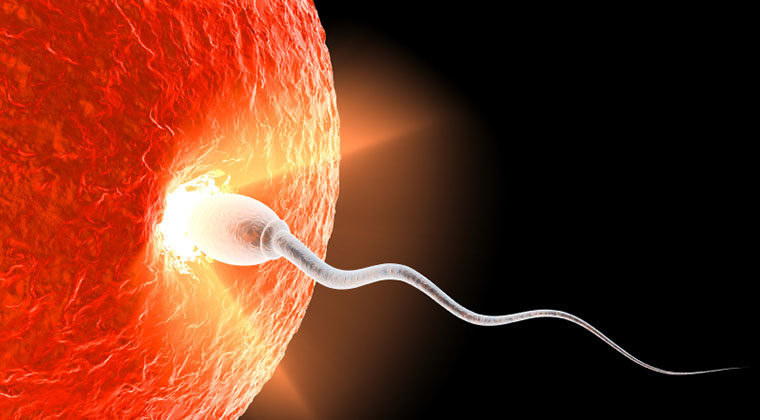
Illustration related to male sexual health and fertility

Fertility & Family Planning

Sexual activity can lead to pregnancy even without visible ejaculation, so contraception matters if pregnancy isn’t the goal. For men pursuing fatherhood, sperm is usually viable — the challenge is often collection. Options include:

At Home

Intercourse, penile vibratory stimulation (best success at T10 or above), or in-home insemination following clinic collection.

In the Clinic

Electroejaculation, prostatic massage, or surgical sperm retrieval, each with different success rates and AD risk.

Implantation

Intrauterine insemination, IVF, or ICSI, chosen based on sperm quality and the couple’s fertility profile.

Adoption, fostering, and sperm donation are also valid paths to parenthood — worth weighing against your health, cultural, and personal preferences.

Male Cancer Screening

Routine screening still matters after paralysis — catching sores, lumps, drainage, or color changes early makes a difference.

Testicular Cancer

Most common ages 15–35, but possible at any age. Self-exams can be done at home by the individual or a caregiver.

Prostate Cancer

About 65% less common in men with SCI. PSA testing is less predictive in this group; annual exams are still recommended.

Colorectal Cancer

Occurs at the same rate in men with and without spinal cord injury.

Bladder Cancer

Only slightly elevated in men with SCI; reduced latex use in catheter equipment has lowered risk further.

Your Rehabilitation Healthcare Team

Sexual health support draws on a full care team, including a physiatrist, urologist, fertility specialist, sexual health therapist, physical and occupational therapists, and rehabilitation nurse — each addressing a different piece, from medical treatment to positioning, communication, and confidence.

Research & Key Figures

Research on sexuality after paralysis confirms what many already know: the desire for an active sex life doesn’t go away after injury. Most study attention has gone to erectile function, where treatment options have expanded significantly; orgasm intensity and achievement remain a more open area of research. Advances in functional electrical stimulation, nerve grafting, and fertility science continue to expand what’s possible — including more of the process happening at home rather than in a clinical setting.

40–60%
Temporary erectile changes after brain injury
95%
Ejaculatory function affected after SCI
50–75%
Erectile dysfunction with multiple sclerosis
39%
Reduced libido reported with MS

Note: research also shows an increased risk of sexual violence among people with disabilities — a reminder of why safety and consent remain central to sexual health.

Resources

Reeve Foundation Information Specialists are available weekdays, toll-free, at 800-539-7309. You can also browse the Foundation’s full library of fact sheets on paralysis-related topics.

Key Takeaways
01
Sexuality remains intact after paralysis — what changes is how the body responds, and adaptation is possible.
02
Preparation — bowel, bladder, skin, and AD awareness — makes sexual encounters safer and more comfortable.
03
Multiple erection enhancement options exist; the right one depends on your injury level and health profile.
04
Fertility is often achievable through at-home or clinical sperm collection methods, even with ejaculatory changes.
05
Routine cancer screening still matters — prostate risk is actually lower after SCI, but exams remain important.
06
A full rehabilitation team — not just a urologist — can support sexual health, from therapy to positioning.
Related Content
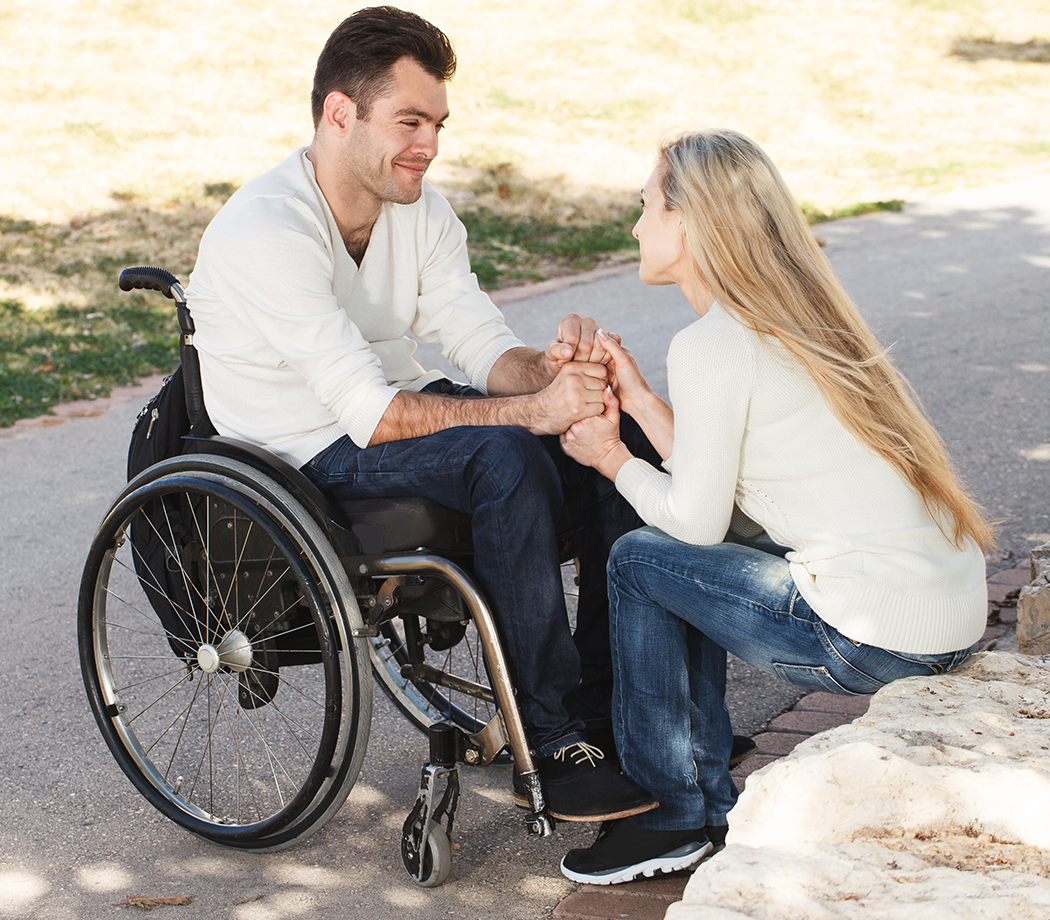
Man in wheelchair talking with his partner in the park

Sexual Health for Men

You are here.

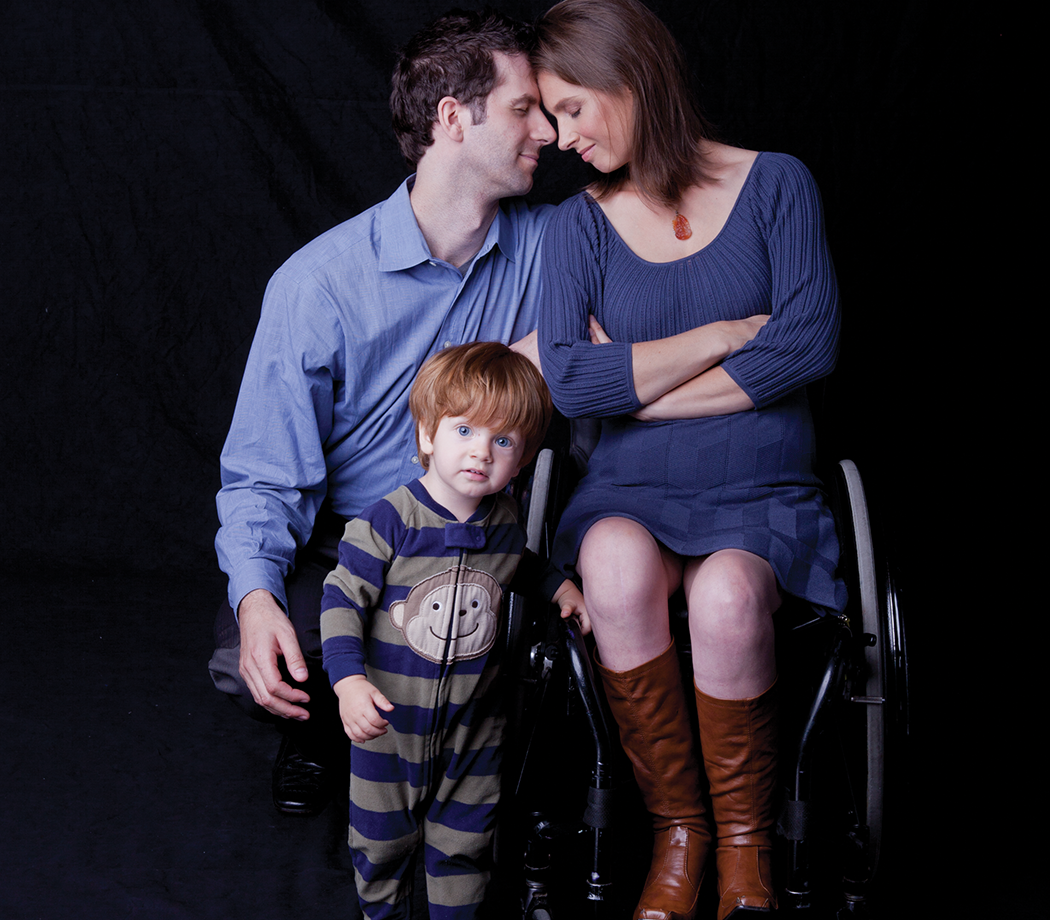
Family with a wheelchair user and a small child

Sexual Health for Women

After paralysis, women navigate their own changes and questions around intimacy.

Read More →

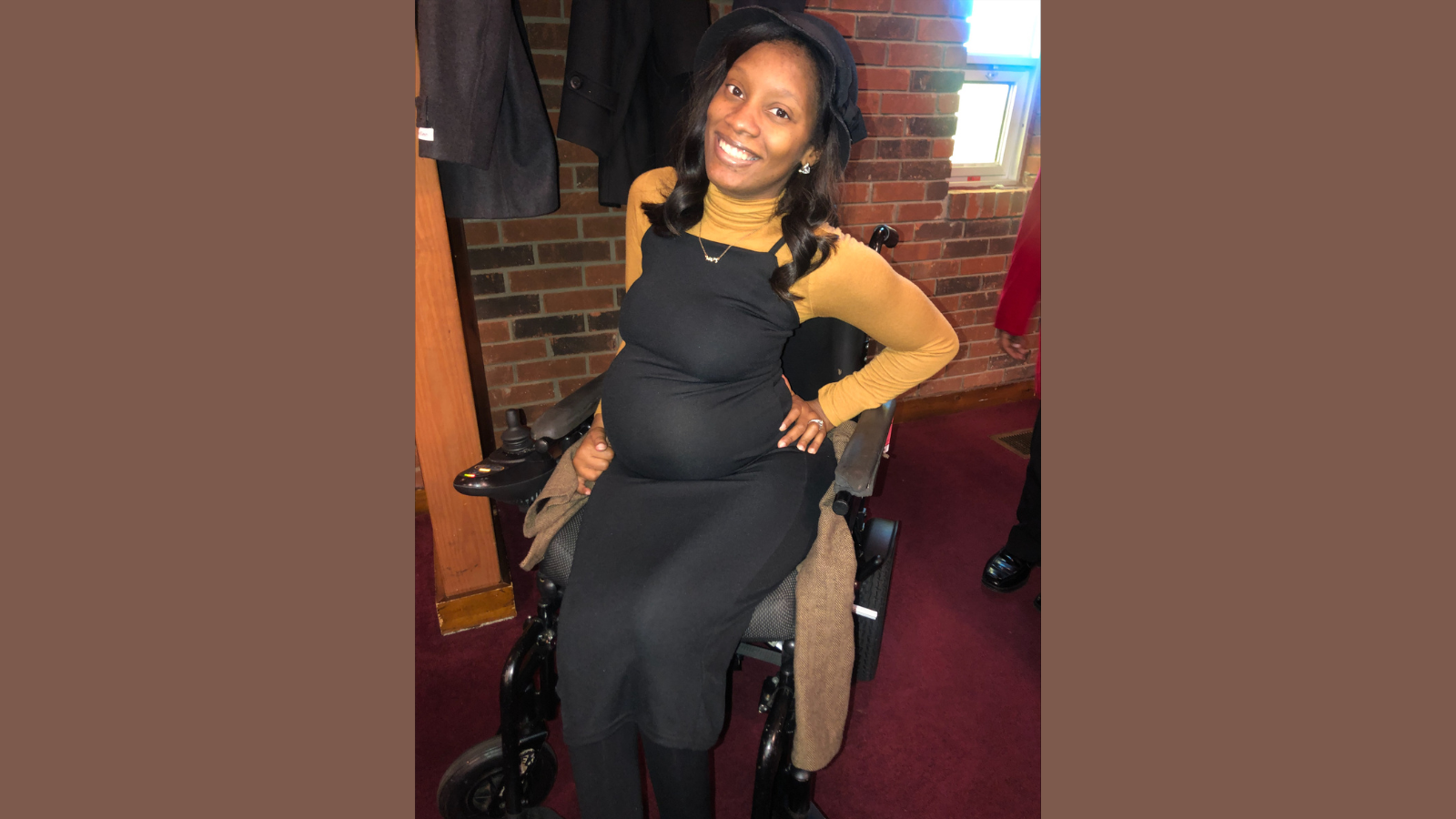
Pregnant wheelchair user

Pregnancy and Paralysis

What to know about pregnancy after spinal cord injury.

Read More →

Content adapted from the Christopher & Dana Reeve Foundation’s National Paralysis Resource Center, “Sexual Health for Men.” The NPRC website is supported by the Administration for Community Living (ACL), U.S. Department of Health and Human Services (HHS), as part of a financial assistance award totaling $10,000,000, 100% funded by ACL/HHS. Contents reflect the authors’ views and do not necessarily represent official ACL/HHS positions. This page is educational in nature and does not replace advice from a qualified healthcare professional.